By Patrick Neustatter, SPECIAL to THE ADVANCE
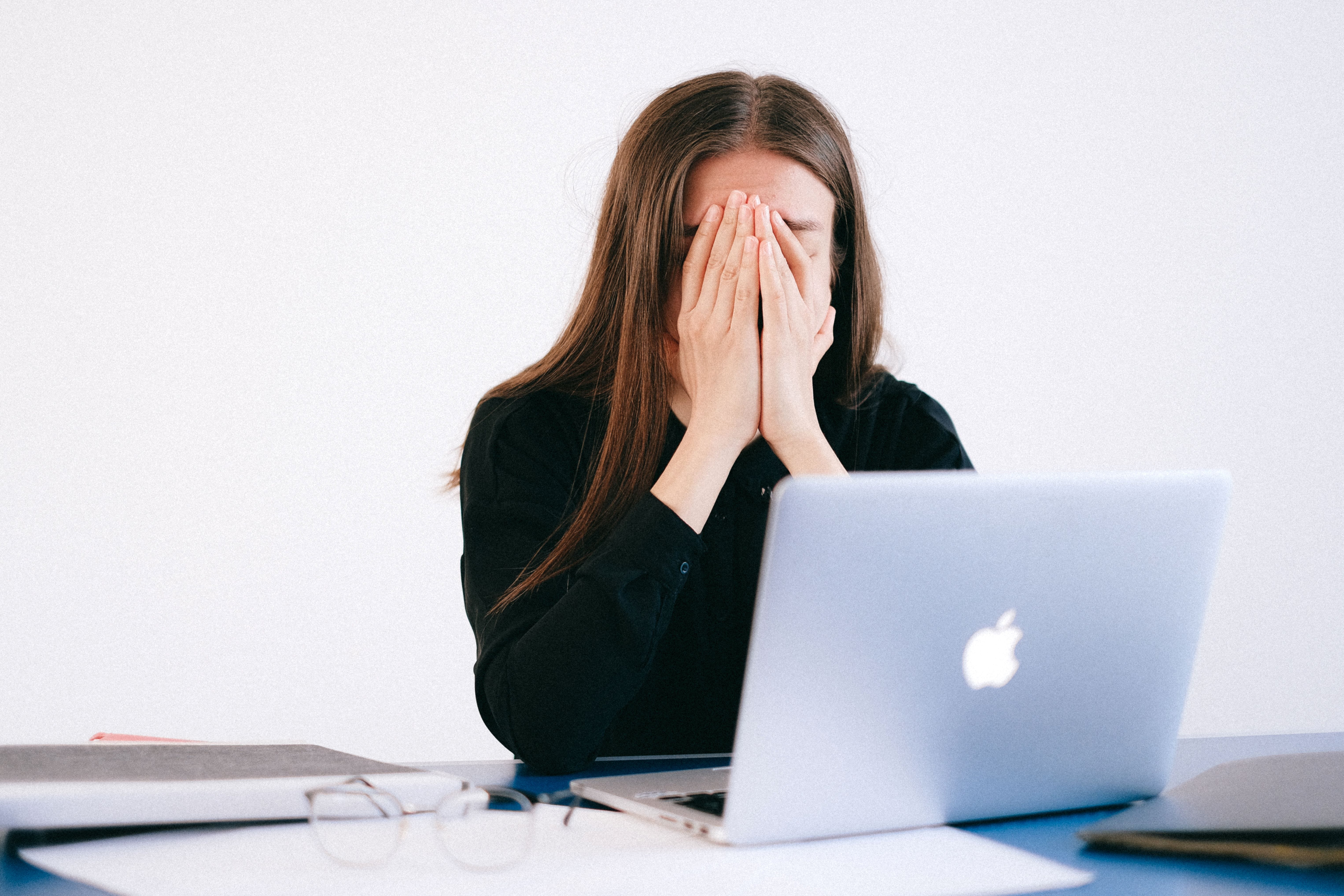
I’m tempted to make a joke about getting anxious trying to think of what to write about anxiety––a kind of crass Catch-22––on par with telling about my patient who didn’t take the Xanax I prescribed because she was too worried about taking anything to treat anxiety.
I wanted to write about anxiety because everybody’s got it and it causes a lot of morbidity. It’s the most prevalent mental health condition. A third of the population have suffered from some anxiety disorder.
This is different to worrying, which is persistently thinking about some problem, but which is temporary. Worrying usually pertains to stuff like work, exams, grades, health, and your kids.
Anxiety is a persistent discomfort, a feeling like worry but chronic, excessive, and disabling. It is usually accompanied by physical symptoms like rapid heartbeat, muscle tension, diarrhea, sweating, and fatigue.
It comes in different flavors. Generalized anxiety disorder (GAD), panic attacks, phobias, social anxiety, and my favorite––because it causes so much anxiety to doctors––somatic symptom disorder. All these are very commonly accompanied by depression.
The Most Creative Worrier
I have a dear friend who I describe as the most creative worrier I know. She suffers greatly because she is so good at finding things to worry about.
Her credit score, fumes from the sheetrock in the walls, her granddaughter who has endometriosis and is pregnant. Will her doctor’s cut off her pain and anxiety medicines? The landlord’s wife is having an affair. She’ll die and her spirit will be trapped forever in the shitty apartment she lives in.
What is particularly notable about her is that much of her anxiety manifests as Somatic Symptom Disorder––that type of anxiety that is the bane of so many doctors’ lives. A condition that magnifies many people’s illnesses to a disabling extent.
Her fibromyalgia, poor dentition, multiple lipomas cause unbearable chronic pain. She has hypertension and a conviction that she is on the verge of a heart attack. Has reflux, recurrent diarrhea or constipation, and lives in fear of a relapse of her C. Difficile. Her hair is falling out (alopecia) and she has seborrhea and breaks out in other rashes for no discernible reason. Has recurrent/persistent UTI’s. Is allergic to every antibiotic known to man.
Each and every medical issue––as well as her very real social and financial problems––is always an insurmountable crisis that will never be resolved, except somehow she’s plugged on for years.
This lady takes the cake, but the claim is that 50 percent of people seen in a primary care doctors office have a degree of somatic symptom disorder and are usually totally resistant to the idea of it having something to do with an underlying anxiety.
A Variable Disease
The degree of anxiety people experience varies enormously. It intrigues me how we can suffer at such different degrees from the same stressors. How fired up our amygdala gets is not necessarily dependent on how stressful that trigger is, but seems pre-programmed by genetics, environmental stresses, childhood trauma, and learned behavior.
The Coffee Klatsch––as we like to call the group of old farts I meet with regularly––recently discussed this. We were mulling over all the horrors that could annihilate us. Nuclear weapons, global warming, pandemics, AI––and we should probably include the current administration.
How we ranked these and degree of anxiety was very different for each of us. I think understanding this––that the anxiety you feel is much more to do with your amygdala’s response as the actual danger of what you’re fearing––is very helpful in diffusing our anxiety.
Advances in Treatment
This is one of the kinds of psychological tricks that can help. But therapists can also teach you things like Cognitive Behavioral Therapy, deconditioning, mindfulness.
An irony is that people are turning to AI to treat their anxiety, which is a bit of a two-edged-weapon. It powers chatbots like Freespira, Webot, and Wysa that will help teach breathing techniques, and other methods of defusing and coping with anxiety, and these “therapists” are available 24/7. Although there are reservations that this may not be a good long-term strategy.
AI can cause or aggravate anxiety. Information overload. Compulsive scrolling. Encouraging isolation. Blurring the line between reality and what your bot thinks you want to hear.
Then there are some wild new treatments. Transcranial brain stimulation with magnets or low-voltage direct current––a little gentler than the ECT used to subdue Murphy in One Flew Over the Cuckoo’s Nest.
The mainstay has tended to be medication. Benzodiazepines, (Valium, Xanax, Klonopin, Ativan, Librium) which everyone is very leery about prescribing because of their potential for causing dependency––to a totally insane degree in my opinion.
Often people are prescribed antidepressants as a sort of tangential approach, Zoloft in particular. But I’m excited about things in the pipeline that can be taken on an “as-needed” basis like fasedienol, a nasal spray for social anxiety. Or MM120, which is an LSD-like compound that dissolves on the tongue.
We can all pretend we’re back in the 60’s when things were so relaxing….
***
Patrick Neustatter is a retired general practitioner and former medical director of the Moss Free Clinic. He still volunteers at a free clinic in Orange County.