By Stephen J. Farnsworth, ADVANCE CONTRIBUTOR
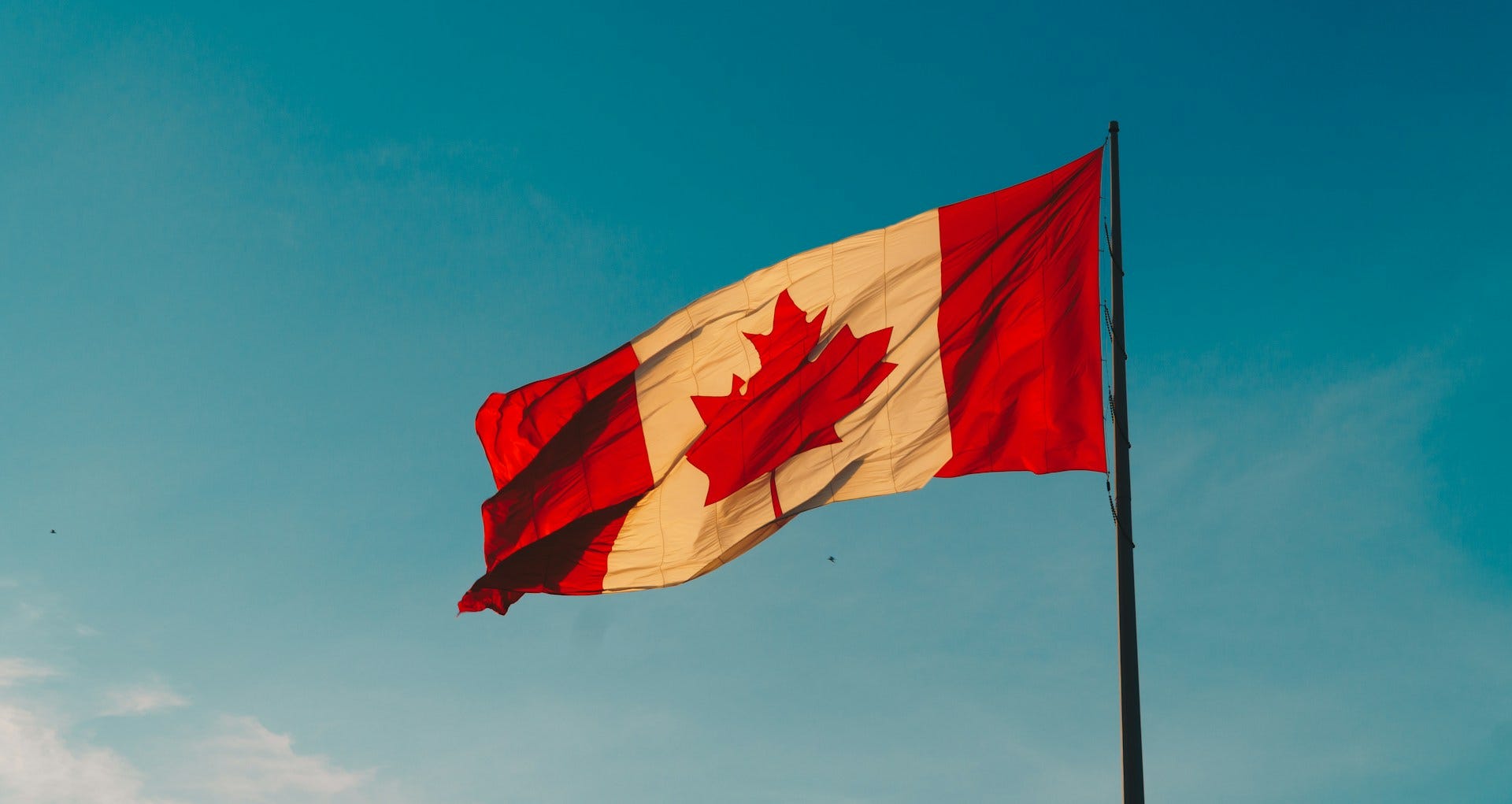
With his latest round of trade barriers imposed on our northern neighbor, President Trump boasted that Canada is “being taught a little lesson” in international trade. Well, Canada has learned a lesson, but it is not the one that the president had in mind.
What the president mainly wants from Canada is capitulation, an agreement to revise U.S.-Canada trade agreements in a direction far more favorable to the United States. To achieve this, Trump increased tariffs on Canadian goods again last month and banned the importation of a range of Canadian products, including molasses, alcohol, motorcycles, and dairy products. These hits to the cross-border economy follow Trump’s frequent suggestion that Canada becomes the 51st U.S. state.
Instead of acquiescing to the latest round of one-sided demands from Washington, Canadian Prime Minister Mark Carney noted the president could not be relied upon to negotiate fairly—or even to stick to previously reached trade agreements that he once praised. Rather than try to pacify Trump, Carney redirected Canada toward tighter ties with the European Union and with Asian nations, including China.
Carney is also moving forward with a proposed massive oil pipeline project that will send oil from Alberta west to Canada’s Pacific ports rather than to U.S.-based refineries. That proposed pipeline, which could become operational in the next several years, would devastate some American refineries that are largely dependent on that Canadian oil for their continuing operations. And U.S. consumers can expect to pay more for gasoline if this plan comes to pass.
Trump seemed surprised that his efforts to intimidate Carney have failed. But he shouldn’t be. Above all, Canadian Prime Ministers who are seen within Canada as too quick to acquiesce to U.S. presidents do not get to stay as prime ministers for very long. This is particularly true for Liberal Prime Ministers, like Carney, as the party often emphasizes Canadian distinctiveness from its much larger southern neighbor.
In fact, the growing rift between Carney and Trump has done a great deal to help Carney within Canada. Since the Liberals won Canada’s 2025 elections, Carney’s party has gained four more seats in special elections and recently secured a majority government. Carney’s approval rating in Canada now stands at roughly 60 percent, while Trump’s approval rating is in the mid-30s in the U.S.
Canadian consumers are embracing Carney’s defiance beyond strong polling numbers, as they register their discontent with Trump by refusing to travel to the U.S. and by boycotting U.S. goods. The Washington Post recently reported that trips by Canadians to the U.S. during June 2026 fell 25 percent from U.S.-bound travel in June 2024, before Trump’s election that November.
What’s more, the Canadian pivot away from the U.S. and toward Europe and Asia has been well-received internationally: The European Commission is committed to bringing its relationship with Canada “to the highest level possible” and hopes Canada becomes its first “associate member.” China has praised Canada for walking away from talks with the U.S., and has proposed plans for new Canada-China trade deals and even an expanding bilateral dialogue on military issues.
With Canada, as with many other nations, Trump fails to consider the power than domestic conditions place on national leaders. The U.S. president seems to think he can compel foreign leaders to follow his lead, as if they were Republican members of Congress refusing to stand up for their own branch of government, or corporate CEOs who regularly come to the White House bearing gifts. But international leaders must look at their own populations as they consider how to respond to Trump’s threats. Even Israeli Prime Minister Netanyahu, as reliant as he is on U.S. military support, refused Trump’s appeal to curtail violence in Lebanon as a way of reducing tensions in the U.S.-Iran conflict.
Trump, in other words, is the leader who has an important lesson to learn. It’s not a particularly insightful conclusion, but it is one that still escapes him. Many foreign leaders will focus on their own nation’s interests rather than Trump’s preferences. As a result, they will listen to their own citizens more than they will listen to an American president. Until the president recognizes that even superpowers have limits on what they can achieve, he will find himself frustrated whenever he turns to international matters.
***
Dr. Farnsworth is professor of political science emeritus at the University of Mary Washington and the author or coauthor of nine books and dozens of research articles on U.S. and Virginia politics. He is a former Canada-U.S. Fulbright Scholar at McGill University in Montreal. His website is stephenfarnsworth.net.