By Ranjit Singh, ADVANCE ENVIRONMENTAL COLUMNIST
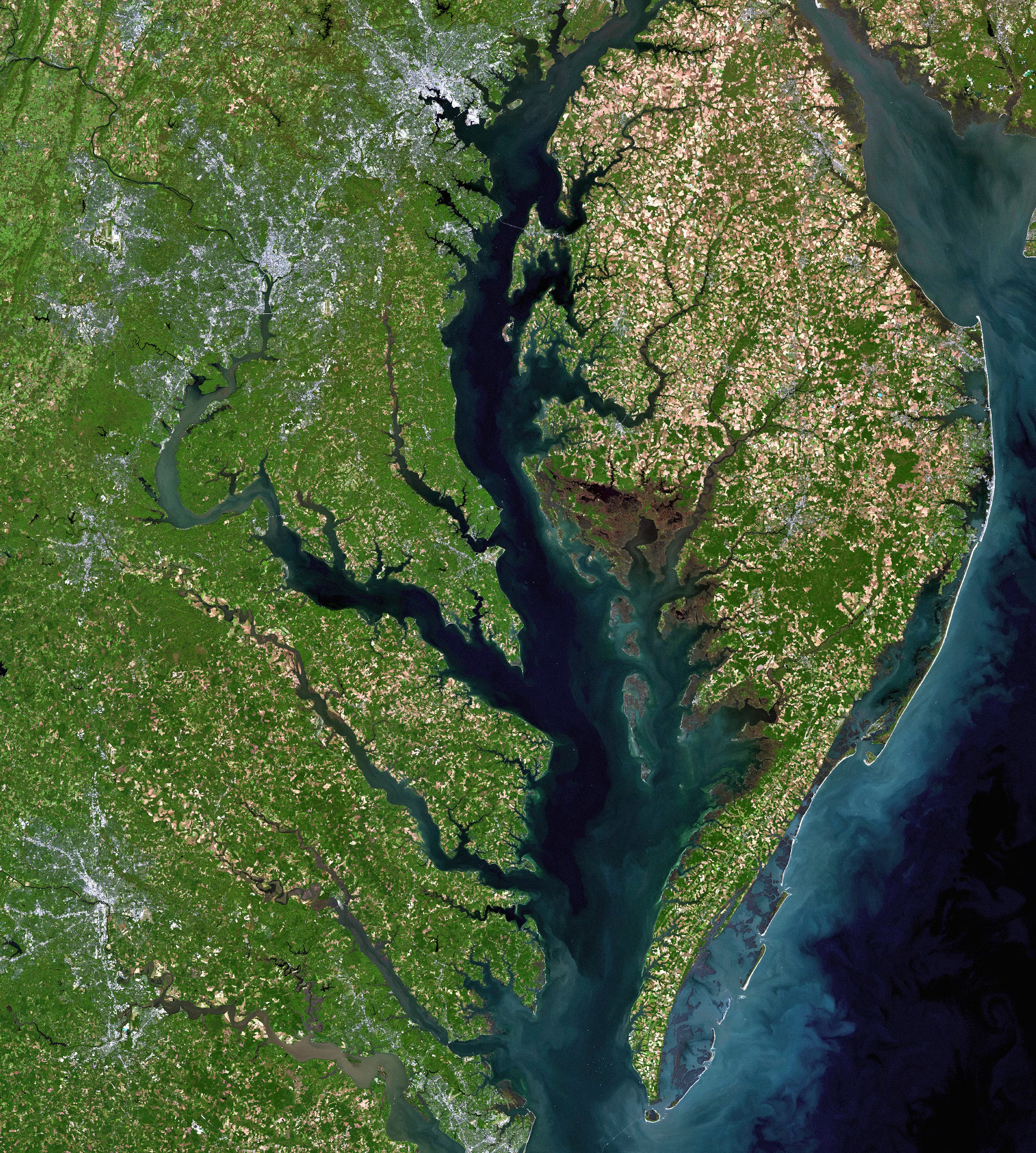
Since my first venture into the dense thickets of local environmentalism, I’ve frequently relied upon one stalwart source of good information: The Chesapeake Bay Journal.
The Journal is simply wonderful. Everyone in our area should read it, and no one should take it for granted.
As its tagline states, the Journal is committed to providing “independent environmental news for the Chesapeake region.” Potomac Creek, the homeplace of No Lines in Nature, is a tributary to the Potomac River, which flows into the Bay. I value the monthly newspaper’s many insights into the waterways that define our region.

The Journal upholds its mission with impressive integrity. Its reporters and editors are scientifically literate, savvy journalists. They rub brains with experts and aren’t in the pocket of corporate interests. Most importantly, they are curious. I learn new things about the Bay region every time I pick up a copy. That’s why the Journal is cherished by the quarter of a million people it reaches each month.
The publication is free and available online. Personally, however, I prefer having the print edition delivered to my home. All you have to do is ask for it and you’ll receive 10 hard copy issues per year. Miser that I am, I enjoy gifting free subscriptions to friends.
Reliable, nonpartisan, free environmental news: Who can argue with that?
Predictably, the Trump administration tried to kill the Chesapeake Bay early in his first term. Despite its excellence, the newspaper is vulnerable to political pressure. Apart from ads and private donations, the Journal’s nonprofit publisher, Bay Journal Media, relies on an annual $325,000 grant from the federal Environmental Protection Agency to do its job. Such support comprises about 40 percent of its budget and has been crucial to the Journal’s funding since its foundation in 1991.
In August 2017, Trump’s EPA abruptly canceled the Journal’s grant. At the time, the Journal was in the second year of a six-year contract with the EPA. Its longtime editor, Karl Blankenship––who has since retired––received only this terse notification:
This message is to notify you that EPA will not fund your grant application for the Chesapeake Bay Journal. Due to a shift in priorities, EPA has decided not to provide funds for your project. Please accept our sincere thanks for your interest [sic] this EPA funding opportunity.
“A shift in priorities.” I give them credit for honesty. No one can accuse Trump’s EPA of prioritizing accurate environmental information.
The apparent problem was that the Journal reporters covered the administration’s plans to make even more catastrophically deep cuts in the EPA budget, many of which would threaten the restoration of the Chesapeake Bay. Forget the First Amendment’s protection of free speech from government retaliation. A Trump official justified canceling support for the Journal: “The American people have major concerns with newspapers and the media.”
This administration’s menacing disdain for independent media is well documented. Thankfully, with help from friendly lawmakers and a lawsuit by Democracy Forward, a public interest law group, the EPA’s decision to cut funding was reversed in March 2018. Donors also stepped forward to minimize the funding gap, demonstrating public trust in the Journal’s reporting.
So the Journal was saved. But that’s not to say it’s out of the water yet.
The current administration’s antagonism towards programs supporting the Bay’s health persists. Just this year, it suggested cutting the entire EPA budget by half. As Isaac Newton wrote: “All things are corruptible.”
I remain profoundly grateful to those who defended the pluck Journal in its time of need. Like everyone else who cares about the Chesapeake Bay watershed and the life it supports, I continue to depend on it for reliable information and informed analysis. Just this week, the Journal schooled me on another important issue: recycling.
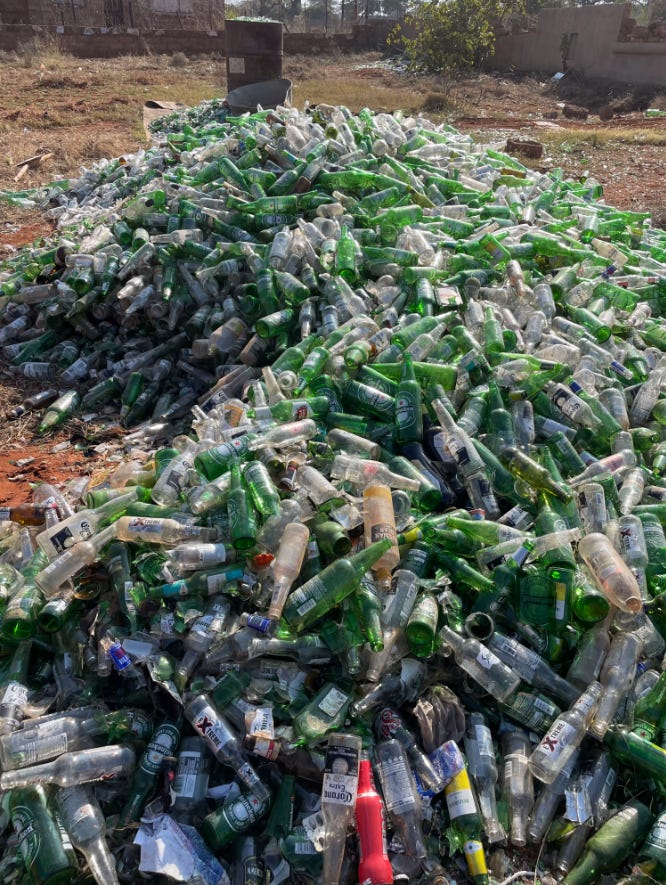
In the European Union, about 80 per cent of glass food and beverage containers are recycled. In the US, that number is at 30 per cent. And here in Virginia, only about 10 per cent of glass collected actually gets recycled. There are only several manufacturing customers here who want the glass, which is heavy and therefore expensive to transport to potential out-of-state customers. In Virginia, glass recycling is a money-losing and ineffective proposition. You can read about it here in the latest edition of the Journal.
I didn’t know that before. Now I do. Thanks again, Chesapeake Bay Journal. I’m adding this to my list of environmental concerns. Any elected officials want to work on this mess?
***
Ranjit Singh teaches in the Department of Political Science and International Affairs at the University of Mary Washington. He’s also an active environmentalist. His “No Lines in Nature” Substack blends history, science, and philosophy to explore our relationship with the natural world. You can find it HERE. And you can find an earlier version of this essay HERE.