
By Phil Huber
ADVANCE COLUMNIST
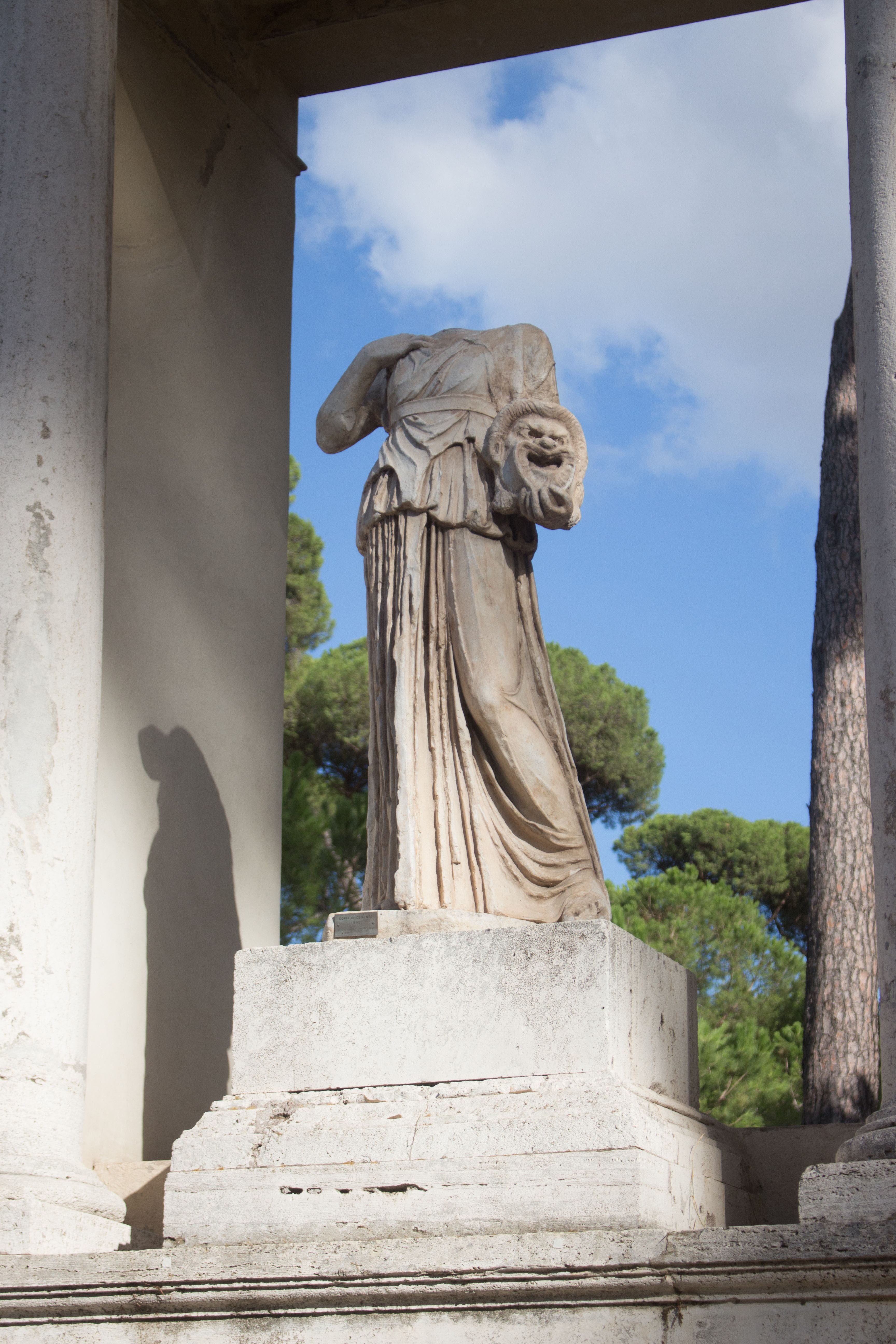
From Fredericksburg, Washington is just close enough to be dangerous. It’s about an hour away by car, roughly 52 miles, which makes the city ideal for day trips, congressional gawking, and, in some imagined, happier future, civic calisthenics on the National Mall. If the next administration is serious about national renewal, it should create a De‑Trumpification Commission and invite the public to help remove the monumental evidence of our recent bout of presidential self‑branding.
This would not be vandalism. It would be debt reduction with historical interpretation and some exercise for the arms, chest, back, legs and core.
American presidents are expected to wait until after death, or at least retirement, before they get airports, memorial halls, solemn marble tributes, and bronzes posed for eternity. The whole point is that history, not the honoree, gets the last word. Trump has never been one for waiting. During his presidency, his name has been attached or proposed for attachment to public buildings, federal programs, benefit cards, park passes, and even an airport, all while he remains alive and loudly available for dedication ceremonies. In most democracies that sort of thing is awkward. In autocracies, it is project management.
History offers a long and gaudy list of rulers who could not resist turning public space into a personal résumé. Pharaohs carved their names into stone and erected monumental images of themselves for the ages. Roman emperors raised triumphal arches, forums, and colossal statues so that no citizen might escape the proper feeling of insignificance. Stalin renamed a major city after himself. Juan and Eva Perón managed to get provinces and cities rebranded in their honor.
Trump, being an American original, has adapted the form to domestic tastes. He appears less capable in conquering Iran than in annexing the nearest available symbol. Why invade Russia when you can rename a performing arts center, sketch out a monumental arch, add a new East Wing, slap your face on federal cards, dream aloud about a military parade, and commission gleaming statues of yourself in enough gold finish to make the biblical calf look understated? The difference between a serious national monument and a Trump monument often comes down to whether the sculptor is told to capture nobility or merely the correct camera angle.
That is why the next administration should publish a De‑Trumpification Commission Executive Order on day one. It can be modeled, loosely and satirically, on earlier public bodies that oversaw changes to the Capitol and its statuary, including mid‑century efforts to quietly remove offensive monuments during renovation. Only this commission would have a more urgent task: identifying every plaque, façade, wing, arch, parade concept, commemorative card, oversized pedestal, and speculative gold‑toned statue to which Trump tried to attach his name, face, or aura, then returning those things to a healthier state of civic neutrality.
Naturally, this should be done in a fiscally responsible manner. Americans are always told government should pay for itself, so let the Commission raise revenue the old‑fashioned way: raffles, concessions, sponsorships, premium demolition packages, and auction sales of retired vanity artifacts. For a modest fee, citizens could enter the weekly Sledgehammer‑o‑Rama and compete for the chance to remove a ceremonial gold panel from some decommissioned federal monument or retired presidential likeness. VIP packages could include goggles, a souvenir fragment of faux marble, and a T‑shirt reading, “I helped put the republic on a sensible pedestal again.”
For particularly challenging artifacts, the Commission will need special handling. Take the golden likeness in Mar‑a‑Lago, a private residence, golf course, and country club that already functions as a kind of living museum of Trumpian excess. The next administration could solve several problems at once by declaring Mar‑a‑Lago a national historic site and leasing it to the Smithsonian as a satellite museum of American hubris. The statue could be relocated indoors, gently de‑idolized, and sold off in ethically sourced fragments through the gift shop— “Genuine former golden calf, now supporting the federal budget one paperweight at a time.”
And where should all this money go? Straight to pay down the federal debt. Finally, a bipartisan fiscal plan. Every swing of the hammer becomes a tiny act of deficit reduction. Every dismantled arch, every retired statue, every truckload of ornamental excess hauled off for recycling becomes part of the most emotionally satisfying debt‑payment program in modern history. Washington has spent decades searching for painless ways to reduce the national debt. It turns out the answer may be therapeutic demolition.
Fredericksburg is close enough to Washington for a practical day trip, but far enough away to maintain the moral clarity that comes from seeing the capital as both seat of government and recurring source of absurdity. A 60‑minute ride to the District, a rented sledgehammer, a few healthy swings at a retired monument to presidential vanity, and home in time for dinner: that is regional living at its finest.
There should also be deep discounts for historians, architectural historians, preservation planners, archaeologists, museum curators, and cultural resource specialists. No one has suffered more professionally from the inflation of ego into the built environment. These are the people who would have to draft the future interpretive markers explaining why a sitting American president once felt called to populate the federal city with self‑referential naming schemes, ornamental annexes, and statuary with the theology of the golden calf. They have earned half‑price admission, expedited raffle entry, and perhaps a reserved lane near the especially tasteless monuments.
The larger lesson is serious. Healthy republics do not encourage living leaders to turn the public square into a vanity franchise. They reserve honor for service, perspective for history, and marble for the dead. When rulers begin naming, building, renaming, annexing, parading, and casting themselves in symbolic gold, it usually means they have confused stewardship with ownership. The proper democratic response is not reverence. It is renovation.
And so, Fredericksburg should prepare now. Stretch. Hydrate. Budget for gloves. Keep a Saturday open in the first spring of the next administration. The call may soon go out for volunteers to help restore the capital to a more traditional appearance, one missing a few giant monuments, one less gilded statue, and one lighter federal debt. With any luck, a few winners from the 540 area code will get the patriotic pleasure of toppling the first absurdity.
***
Huber is a retired U.S. Army Reserve colonel, retired consultant, and former Army civil service environmental specialist who spent his career contracting for and overseeing cultural resource and environmental policy work for the Department of the Army. He now lives in Fredericksburg, focusing on civic responsibility, public policy, and the challenging work of maintaining American democracy.
Donald Trump
I met a traveler from a rusted land,
Who told of a statue of trunkless stone
Its head and hands decaying to lifeless sand.
A shattered visage lies, whose smirk,
And curled lip, and sneer of cold command,
Tell that its sculptor knew his subject well
That which just survives, moldering,
The hands that mocked, the heart from hell.
And on the pedestal, these words appear:
“My name is Donald Trump, King of Vile Lies.
Look on my works, you peons, and despair!"
Nothing whole remains. Round that corrupt
Colossal wreck lay threads of gold-sculpted hair,
Pigeon paste, and the detritus of misplaced trust.
With apologies to Shelley.