
By Rebecca R. Rubin, SPECIAL TO THE ADVANCE
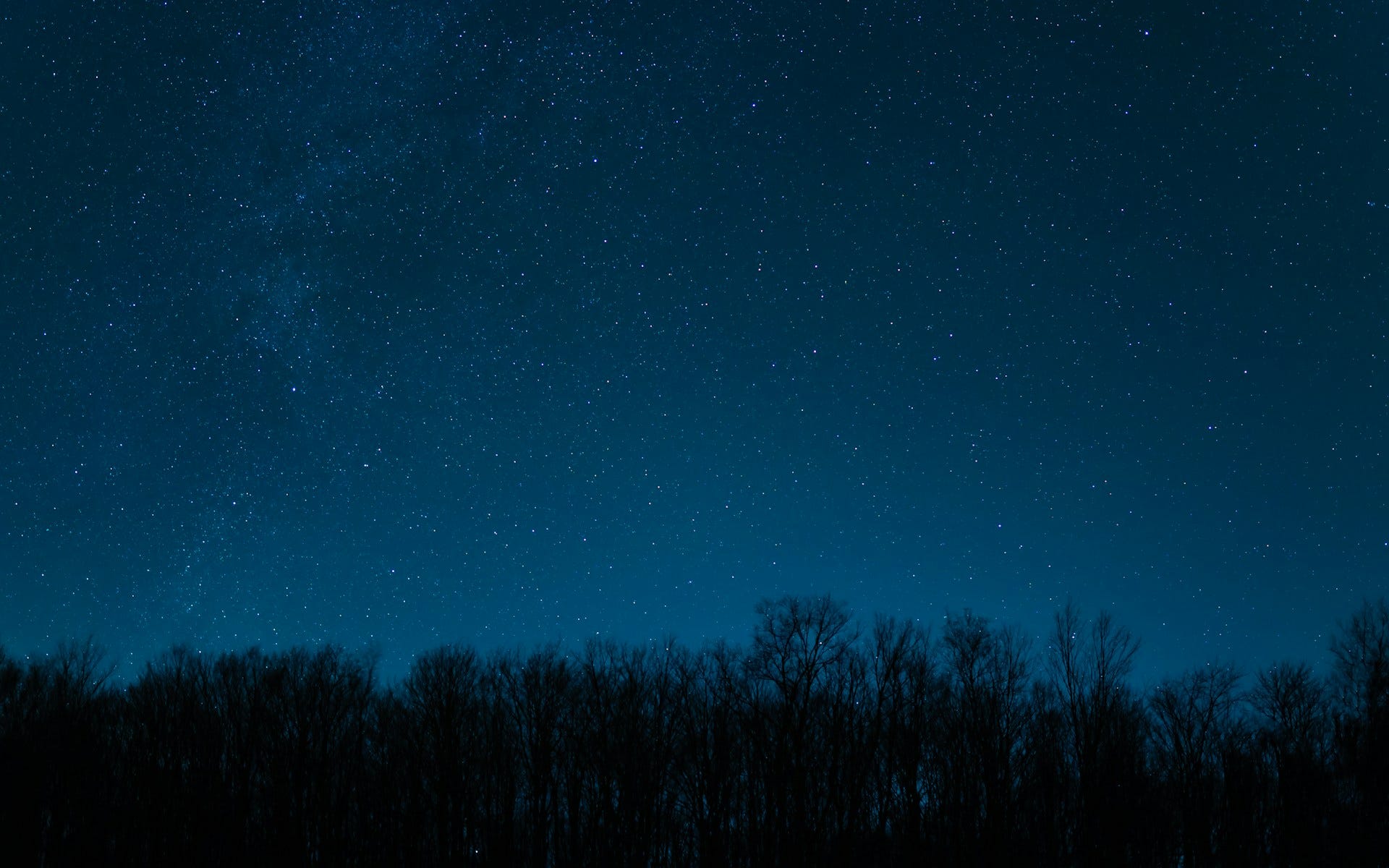
Would you believe the U.S. Marine Corps led one of the most successful dark sky campaigns in the United States? It was called Operation Dim the Lights and launched in 2008 in California’s Morongo Basin, home of the Marine Corps Air Ground Combat Center Twentynine Palms.
Pristine dark skies are a critical operational requirement for realistic night-time training exercises in the military services. At Twentynine Palms, more still was at stake: community partnerships. The City of Twentynine Palms and San Bernardino County had already established strict lighting ordinances. Nearby Joshua Tree National Park is an International Dark Sky Park. Together with these partners and the Morongo Basin Dark Skies Alliance, the town of Yucca Valley, and the Sky’s the Limit Observatory, a coalition was born to bring back the night sky.
Even beyond having tremendous regional dark sky benefits for humans, wildlife and habitat, Operation Dim the Lights saved the base over $600K in annual lighting costs, supported the local stargazing economy, reduced energy consumption, and showcased a resoundingly successful community partnership.
FALL BIRD MIGRATION
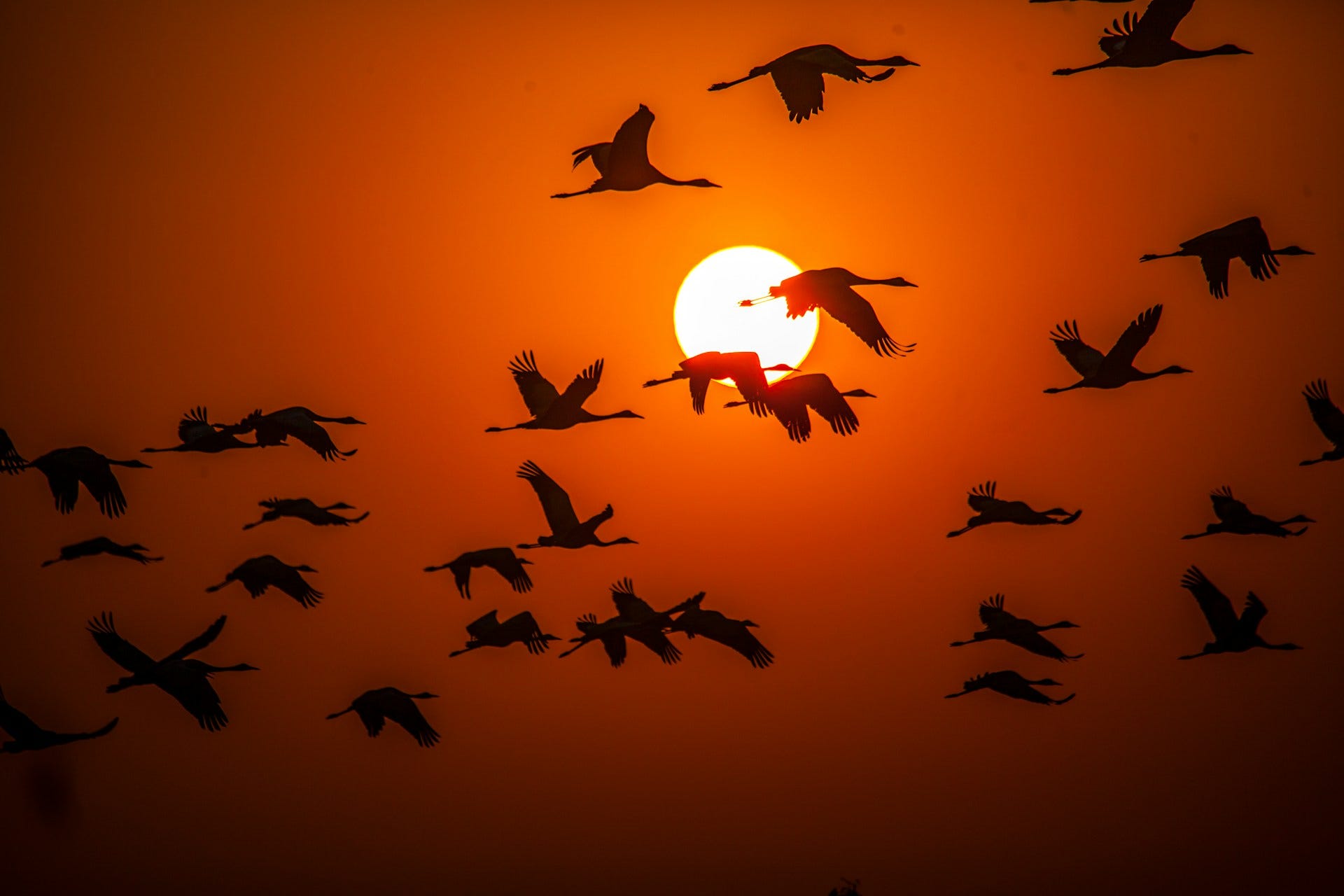
Nighttime light pollution poses a major problem for the massive, annual fall and spring bird migrations. For instance, on the night of Tuesday, Sept 22, a total of 2,850,200 birds were aloft over Virginia skies, according to the birdcast Migration Dashboard.
Dark skies are as critical for birds as they are for the military, albeit in a different way. Moon, sunset, and stars help birds navigate, whereas light pollution drowns out these navigation signals and creates confusion by creating collision hazards and luring migratory birds into urban areas.
BEYOND BIRDS
For humans, light pollution is closely associated with circadian rhythm disruption (confuses the “internal clock” and suppresses melatonin production), sleep deprivation, and overall mental health.
Nighttime light pollution even interrupts summer swimming schedules, closing our beaches and swimming holes. It increases cyanobacteria and other harmful algae blooms, providing enough energy for them to continue metabolizing after dark and preventing tiny, helpful freshwater crustaceans called Daphnia (aka water fleas) from swimming to the surface at night to eat the harmful algae.
For wildlife, light pollution also disorients nocturnal animals and disrupts everything from mating to bat navigation to aquatic food webs to the behavior of fireflies, moths, and butterflies—causing them to fly in confused circles until they drop from exhaustion.
As a friend of mine recently observed: “We sure didn’t have all this light pollution when I was a kid. We could see the constellations at night, fireflies, all kinds of insects, and hear the birdsongs of migratory birds coming down for a visit. “
This is more than nostalgia—it’s a reflection on profound loss that has somehow become normalized.
SIMPLE STEPS
Light pollution is a major disruptor for humans and wildlife. Humans are affected all the time. Birds are mainly affected in fall and spring during the massive bird migrations, especially at peak periods.
Yet, these four fixes are so simple.
1. Shielding: The expression “Don’t split the night sky” means using shielded or full cut-off fixtures that point light straight down toward the ground. That cute little string of outdoor night lights that looks like a necklace in your yard? It’s unshielded—sending light directly up and out. Do your family, neighbors, and nocturnal wildlife a favor and get rid of them, or put them on a timer to cut off just after dark.
2. Minimum Necessary Brightness: LED lights with a “warm” wavelength—amber or red— are an optimal choice for outdoor lighting. (Fluorescent and CFL bulbs can emit high-frequency flickers. Blue lights, like standard white LED floodlights, create scatter.)
3. Controls: Dimmers, sensors, and timers help control light usage.
4. Leaky light: Blinds and curtains help prevent “leaky light”—light that spills from indoors to outdoors.
CELEBRATE THE CELESTIAL
We all need the dark in order to thrive. Why not immerse yourself in truly dark night with a state park visit to Staunton River, James River, Natural Bridge, Sky Meadows, or our very own international dark-sky park Rappahannock County Park in Washington, VA.
As Van Gogh said: “I often think that the night is more alive and more richly colored than the day.”
*** Rebecca R. Rubin is a landscape-scale conservationist and a board member of several non-profit conservation organizations.

Great article, Rebecca. For those that want more info on reducing the impact of their own lighting, check out this resource at the DarkSky International: https://darksky.org/what-we-do/advancing-responsible-outdoor-lighting/home/. They also have example code language that can be used for local ordinances to reduce light pollution.