
By Lynda Allen, ADVANCE CONTRIBUTOR
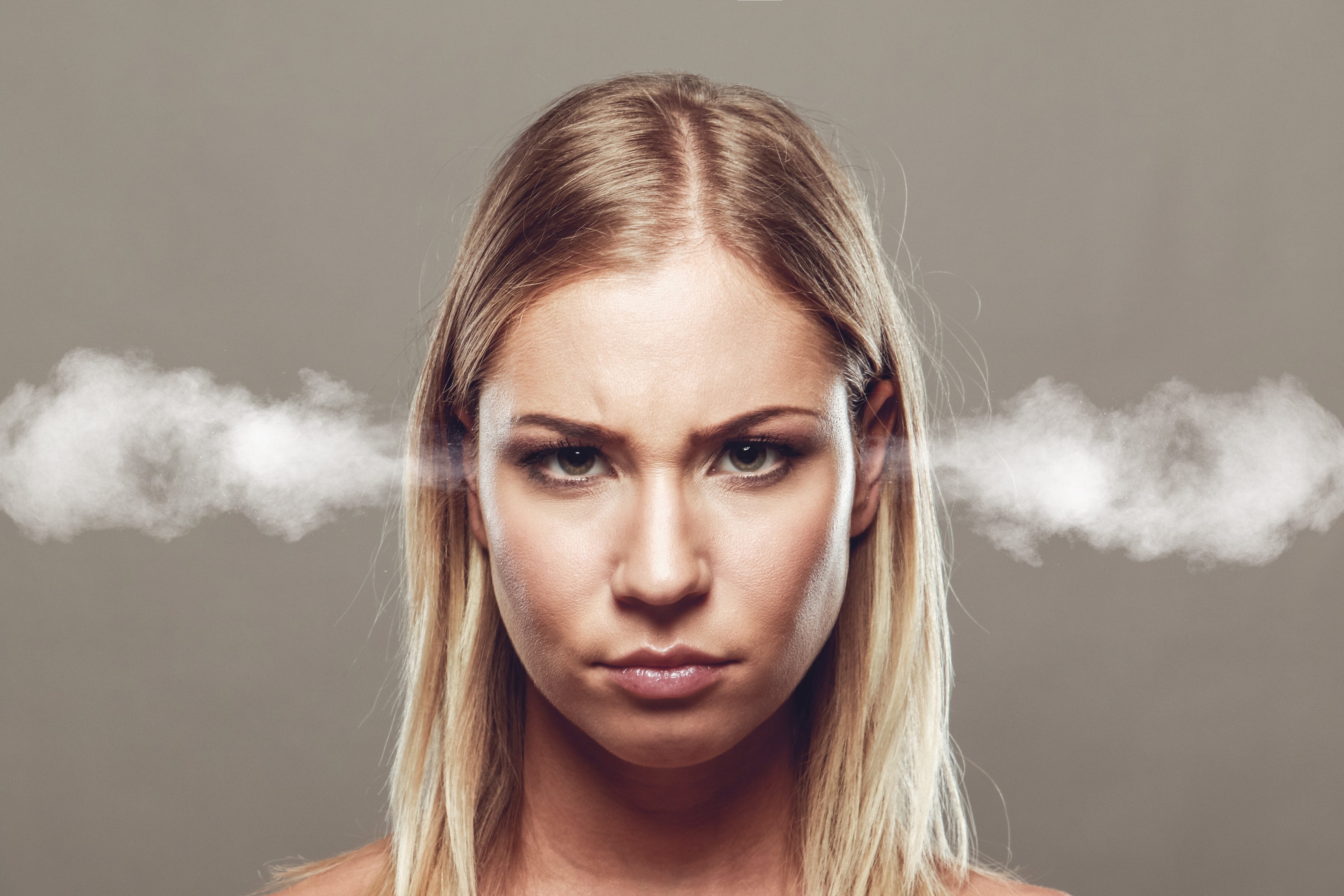
It began with weight gain in my early 40s, though neither my diet nor my exercise routine had changed. I went to my doctor, who ruled out “medical” causes, and told me, with a laugh, “Welcome to your 40s.” I thought that was an unacceptable response to my situation, but figured it was what a medical authority told me, so it must be true: There was nothing I could do about the changes my body was experiencing except live with them. But people I knew were noticing—a few even spreading rumors that I might be pregnant. So, not only was I struggling with the changes, but I was also being judged for them. That’s how warped our view of body image is. A few extra pounds, and the murmuring and judgement begin, including my own self-judgement, which I admit was quite loud.
Had I known about perimenopause at the time, things would have been different. Apparently, my doctor didn’t know much about it either, which as I learned later was one of those flaws in our medical system when it comes to women’s health. That’s finally shifting a little, but much too late for this Gen-Xer. I’m left wondering what the last two decades would have been like if my doctor had said, “Let’s check your hormone levels.” I can hardly breathe thinking about the difference that would have made in so many aspects of my life.
A couple of years after the weight gain, the mood swings began. I had spent the previous decade developing a practice of what I called Living Heartfully through mindfulness and meditation. I was happy with the person I had become. Seemingly overnight, though, another version of me emerged—a short-tempered, moody version. It was emotionally devastating to feel as though I no longer recognized myself, and frightening not to understand why it was happening.
It wasn’t until the hot flashes that I started catching on.
I sought out other women to talk to about the changes I was going through—or at least I tried. I invited several similarly-aged friends to a menopause gathering, hoping we’d be able to discuss the topic and learn from each other’s experiences. Two showed up. We met only once. I later found an online group that helped a little, but I was left wondering why it was easier to talk about menopause when we weren’t face to face. The online group eventually died out, too.
Eventually, I turned to the only recourse I had left, which was humor. I decided to give my moody, perimenopausal personality a nickname: Grumpy Gal or G.G. for short. It gave me a way to acknowledge what was happening, and to own it rather than let it escalate. The practice brought a little lightness to a situation that felt very difficult and heavy, and allowed me to reclaim a little of the power I felt was being stolen from me through a process happening within my own body that I knew so little about. Perhaps most importantly, it gave me a way to warn my husband. “I’m having a G.G. kinda day,” I’d tell him, and he would know what to expect and give me the space I needed—a helpful tool for our marriage.
Another part of my personal reclamation process was educating myself about menopause, which was actually three distinct phenomena: perimenopause, menopause (only one day!), and post-menopause, none of which were as easy to learn about then as it is now. I’m happy for the women approaching or moving through the process these days, because they have so much more information available.
I, on the other hand, had no idea how intensely the hormonal shifts of middle age affect every system in a woman’s body. Loss of estrogen diminishes collagen production, which leaves many women dealing with frozen shoulders in middle age. It can also cause heart palpitations, anxiety, insomnia, brain fog, changes in body odor and hair growth, exhaustion, night sweats, vaginal dryness, nerve tingling, and many more symptoms. Menopause expert Dr. Mary Claire Haver explains it as a “whole body shift” that affects literally everything: the heart, bones, brain, muscles, liver, fat metabolism, and skin and connective tissues.
Educating myself led to more informed decisions about how to deal with the symptoms. Last year, I finally started Hormone Replacement Therapy, or HRT. It wasn’t until after I began the treatments that I realized just how much I’d lost since the hormonal shifts began. I had been reluctant to try HRT because I’m of the generation that was told it was too dangerous and not worth the risks—a belief largely based on the results of a single study, which as it turned out wasn’t the be-all and end-all of research on the subject. So, after discussing the benefits and risks of the treatment with a new doctor, who was sympathetic, kind, and well-informed, I decided to give it a try.
Prior to HRT, I’d been having hot flashes every day—about ten times a day (though it felt like a hundred!)—for an entire decade. They were maddening. Luckily, a friend had warned me they can sometimes feel like an anxiety attack when they kick in. Mine were similar. and it was helpful to know in advance what was happening. Even so, the daily slog of breaking into a sweat out of nowhere, the feeling of tightness in my chest that did indeed feel like anxiety, and the anger that arose each time at the betrayal from my own body were exhausting and took a toll on my mental health. They had a negative impact on my general outlook, and on my family life too. I couldn’t sleep under a blanket for a solid ten years.
As soon as I started HRT, the hot flashes stopped immediately. It was life changing. I’d been freed from torment. The most startling change, though, was a feeling of reconnecting with myself. I was shocked to realize how many aspects of me I’d let fall away. I remembered things I loved to do, like listening to music. There was some sadness when I realized just how unlike myself I had felt during my lost decades, but I’m grateful now for the chance to reconnect with the people and things that bring me joy. And I’m grateful to enjoy being me again—the dancing, singing, intentionally sassy, mostly kind me I once was.
I can even embrace G.G. from time-to-time, and, when necessary, let her have full reign of our breakthrough menopause rage, which is a real phenomenon by the way, so good to keep in mind.
***
Lynda Allen is the author of the Liv Wilde Mysteries. Her author website is www.lyndaallenwrites.com.

Thanks for sharing your experience and calling attention to the life-altering changes that hit so many of us in our middle years yet have for too long been under-studied and under-discussed. "One of those flaws in our medical system," as you noted. Glad HRT is working for you!