
By Martin Davis
EDITOR-IN-CHIEF
Email Martin
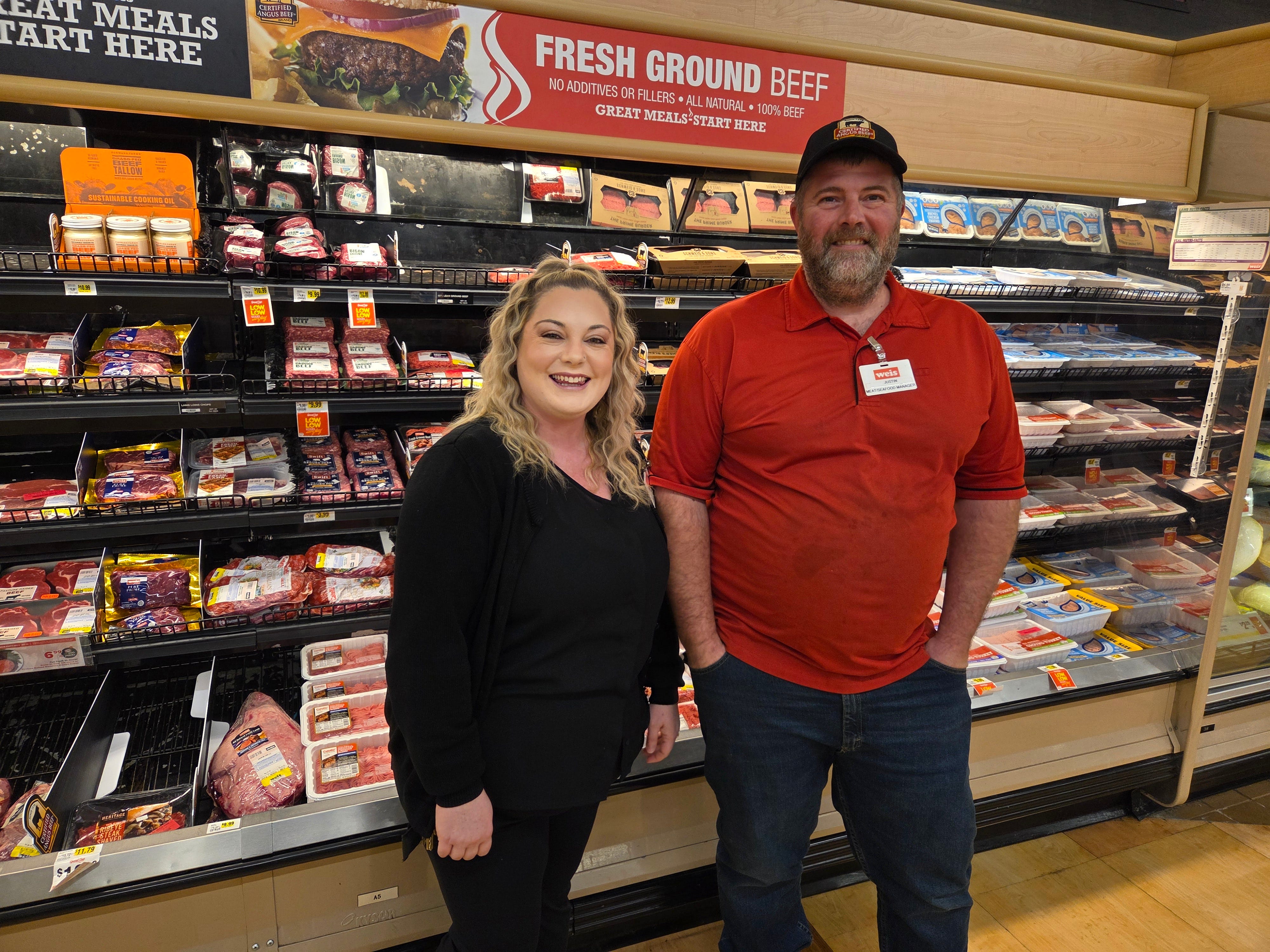
Grocery stores are a marvel of American capitalism.
Bananas and apples and pineapples and berries are items shoppers expect to see on the shelves year-round, even though these are fruits either can’t be grown in our region or are produced during limited seasons of the year.

International foods from the mundane to the exotic can be found in many stores. And fresh meats are always available.
The sophisticated logistics that make all this possible are mostly hidden from view, so few ever stop to think about how this abundance that is daily available.
Fewer still ponder what happens to the food that isn’t sold.
Grocery Stores as Civic Leaders
Each morning at Weis Market in Salem Fields, Store Manager Hallie Lyons and her team gather to walk the store aisles and pull items that are “just at the sell-by date, but still at a point where the store can guarantee quality,” she told the Advance.
It’s not a casual exercise. It takes a good hour each morning, and “every person in the store in involved,” Lyons said. “We don’t leave stones unturned.”
The gathered food is then stored safely until volunteers at the Fredericksburg Regional Food Bank can come and collect it. Usually, two to three times each week. And those who make the runs have a good rapport with store employees.
“Each store typically has the same people coming through,” Lyons said. If someone different is going to come by, the Food Bank will usually call ahead to alert the store.
The amount of food collected is staggering. Using a metric from the Food Bank, the eight Weis Markets in Fredericksburg, Spotsylvania, and Stafford alone contributed enough food for 269,000 meals between January 1, 2026, and September 30, 2026.
Currently, according to Dan Maher, CEO of the Fredericksburg Regional Food Bank, “we pair up 12 chains with Food Bank staff or one of our agency partners for recurring pickups and occasionally engage with retailers who may make non-recurring offers of donations.”
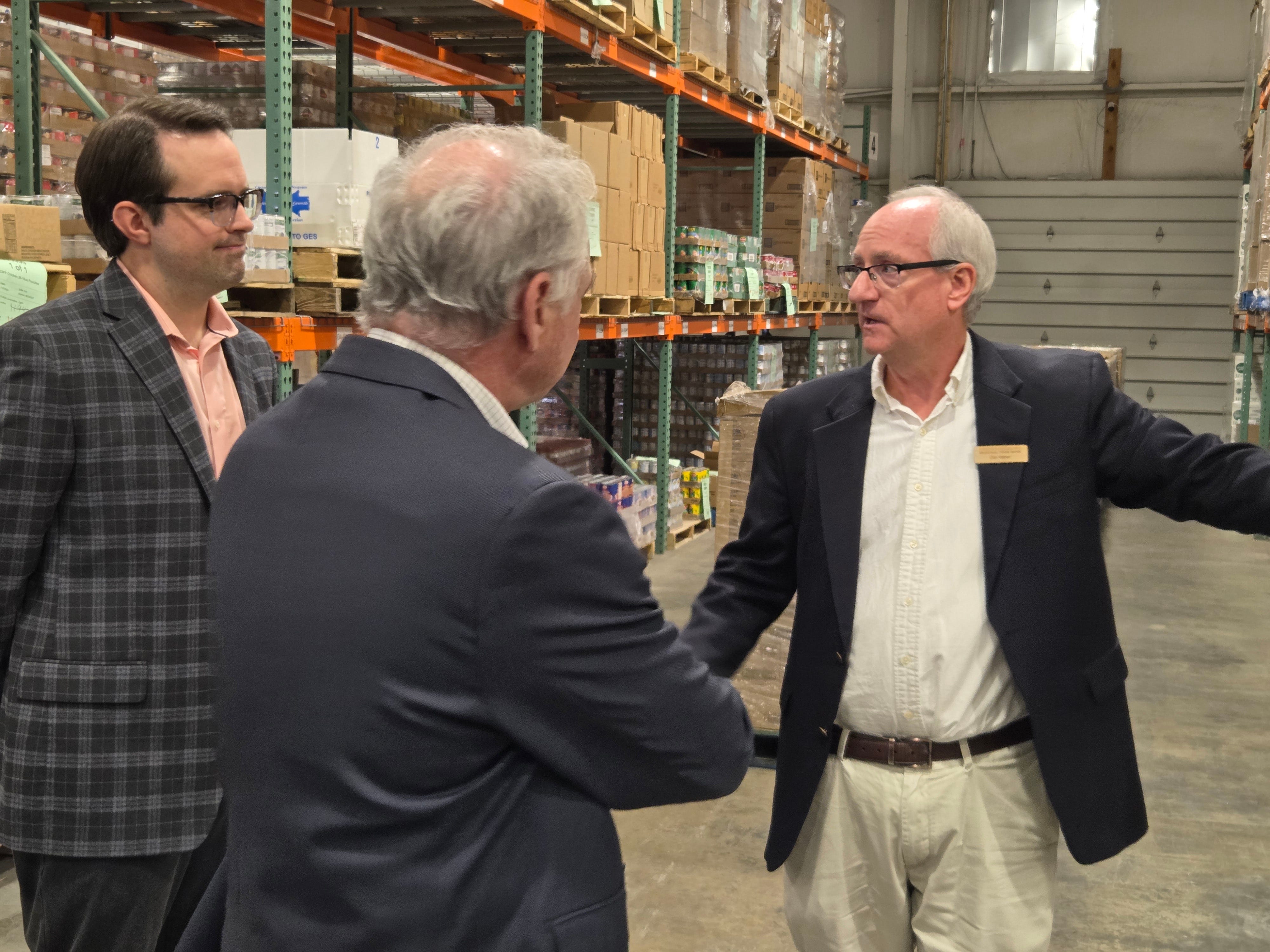
Together, these grocery stores contribute “somewhere between 35% [and] 50% of our annual food supplies,” said Maher. However, he added, “in the fiscal year that ended in June we received 55% of our resources from retailers.”
For Lyons and the employees of Weis Markets, that hour spent every morning gathering food is more than just part of the job. Knowing how important these distributions are for those facing food insecurity makes the work missional.
“We constantly talk about our values” with every Weis employee, Lyons said. “We work, play, and live here, and we like to serve” this community. We believe it’s important to be a “pillar of leadership with our associates and our community.”
Meaningful Work
Justin McBroom has worked at Weis for 22 years. As the meat manager for the store on Route 3 in Spotsylvania, he takes great pride in the products Weis produces.
“We take a lot of care with the food we prepare and distribute” to our customers every day, said McBroom. But the work in supporting the Food Bank adds another layer of joy to his work.
He and his team take just as much pride and care with the food that gets donated to the Food Bank as they do for their regular customers.
The decision to discard or donate a piece of meat, for example, requires a keen eye. Certainly, the sell-by date is a key factor. But for McBroom, he takes other factors into consideration.
A question he asks himself with every cut he reviews for donation is, “Would I want to eat this?”
Indeed, because meats have a much shorter shelf-life than shelf-stable foods, McBroom goes above the call of duty. In addition to the morning walk through, he and his team review products “a couple times throughout the day,” he said.
Beyond Product
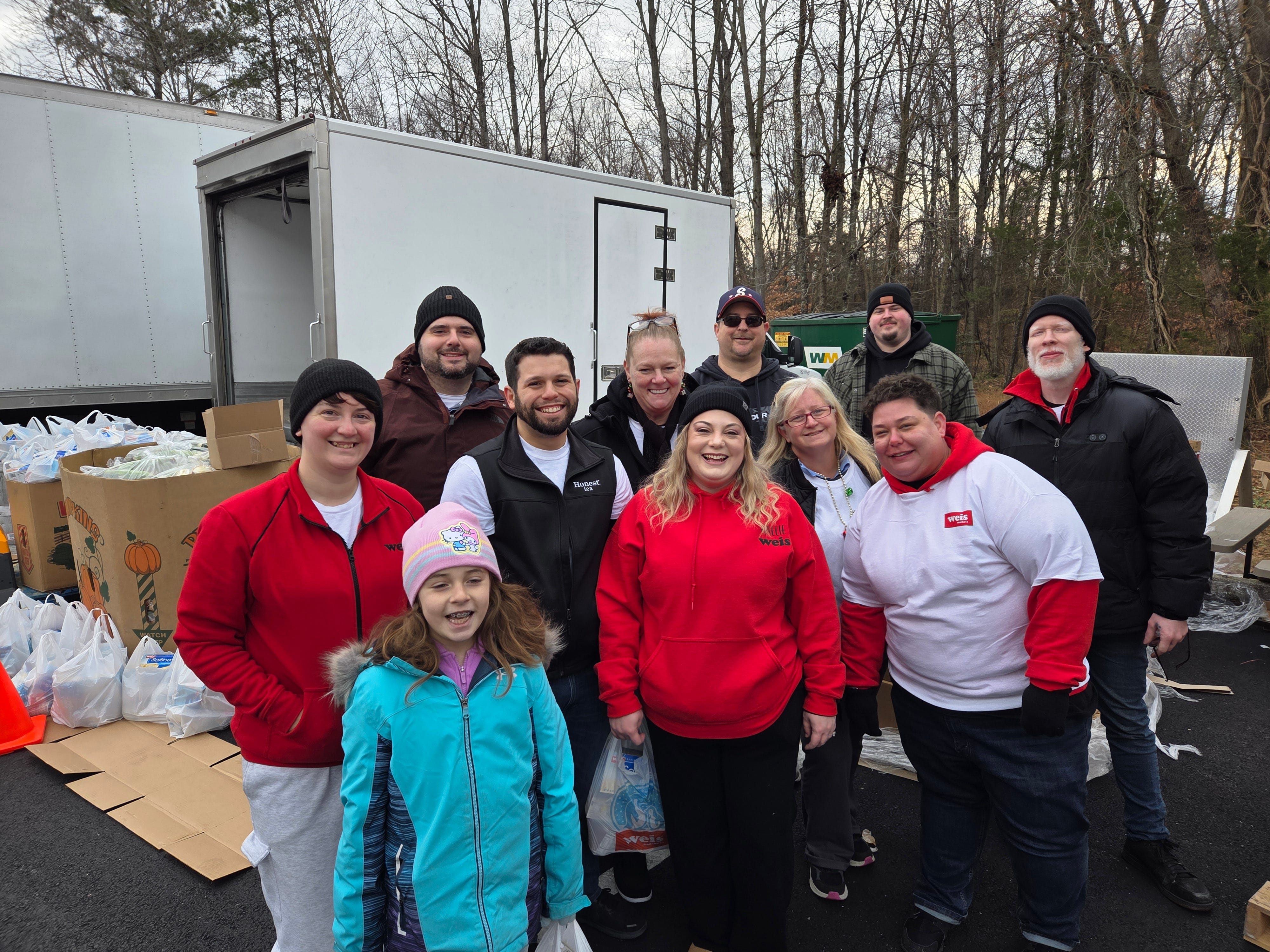
Weis’ commitment goes beyond contributions of food product to the Food Bank.
Weis has for 18 years run a “Fight Hunger Campaign,” in which customers are given the option to round up their purchase to the nearest dollar. Across the company’s 200 stores in 7 mostly mid-Atlantic states, the program raised $550,000 in 2025.
Locally, $25,000 was raised — half of that by contributing customers, the other half being matched by the corporate office.
That money, said Lyons, goes directly to the Food Bank.
The total of contributions — both product and cash — that Weis makes to the Food Bank speaks directly to the store’s core values.
Lyons said that the store’s values are discussed regularly from the top of the organization to the newest stock clerk. The five are:
Teamwork
Respect
Excellence
Accountability
Passion
“We try to be strong pillars in our community,” Lyons said. “We are here to help.”
In the eyes of Maher, and those who look to the Food Bank in trying times, Weis and all its grocery partners are models of how communities support one another.
“The volume of food donated from retail partners is essential to addressing communal food insecurity,” Maher told the Advance. “Their corporate citizenship seeks an outlet of goodwill and their partnership with us and our network of agencies provides that means of delivering their communal support to those who can benefit from it. Their partnership with us reclaims millions of pounds of food each year that converts potential wasted resources into community assets. For that, the entire community can be grateful.”


Local Obituaries
To view local obituaries or to send a note to family and loved ones, please visit the link that follows.
