
By Shaun Kenney
ADVANCE COLUMNIST
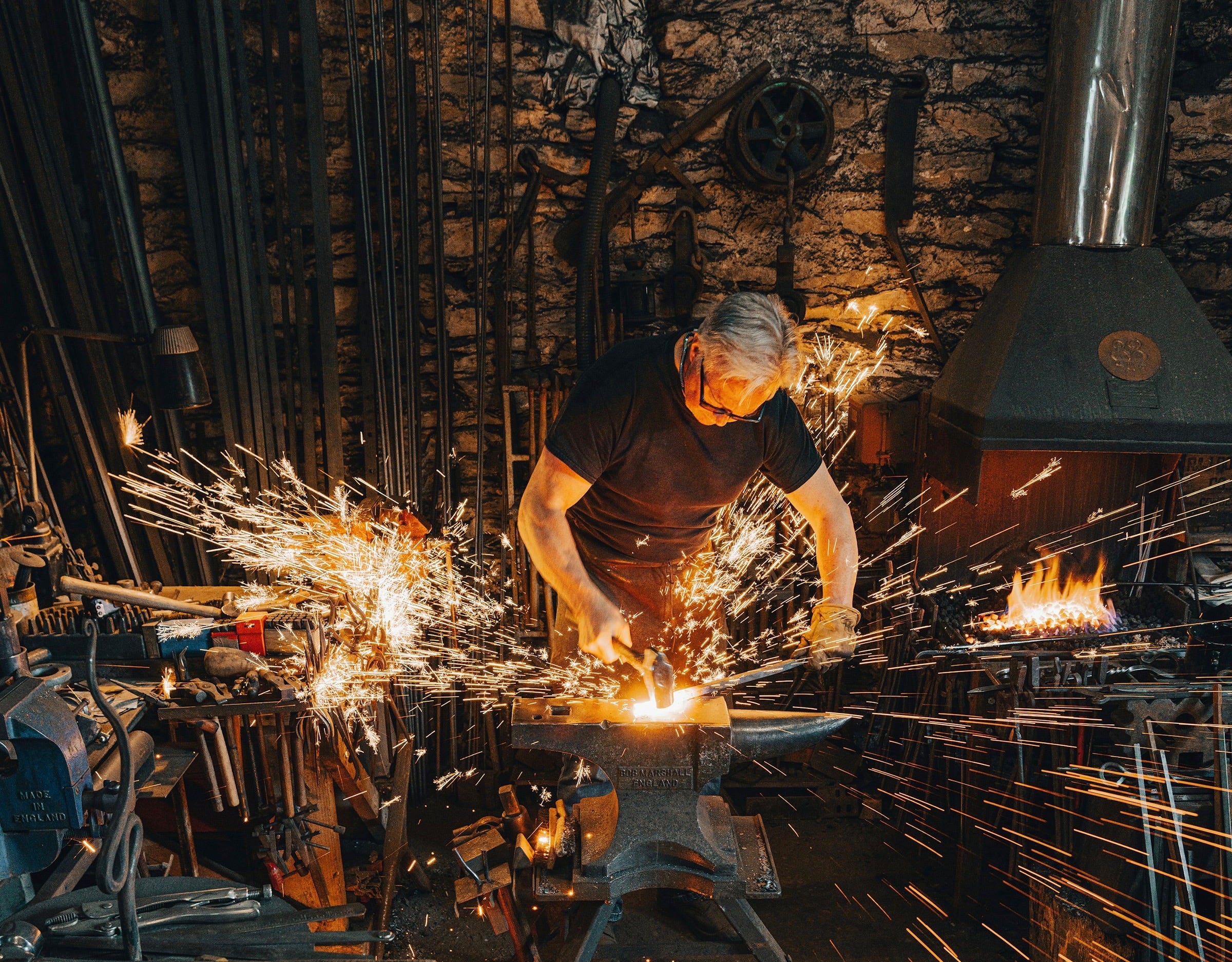
This year will mark the 100th anniversary of Colonial Williamsburg, a place that first began as more of a museum than living history, but eventually gave visitors an idealized glimpse of what it was like to live in 18th century Virginia—to read their newspapers, hear the sound of hammer and tong next to the heat of a coal furnace, feel the linens and cottons of the day, catch the scent of lavender and rose water in the shops, watch furniture makers and bookbinders and silversmiths move with the surety of craftsmen and craftswomen.
Industrialization came late to America, but it never quite arrived in Williamsburg in the way that it touched other places such as Richmond, Fredericksburg, and Norfolk. Fears then—as now—revolved around the changing nature of work, education, commerce, markets, culture, and trade with the arrival of the railroads, coal, machines, ports, tobacco, wheat, and the replacement of manual labor (enslaved and free) with mechanical labor and the mechanics whose duty it was to oil, repair, and eventually program their every need.
James Fox is by no means an American household name, but in a marvelous book titled Craftsman: In Search of Lost Arts and Disappearing Trades we get a glimpse of things lost back in merry old England. Matthew Crawford’s magisterial text Shop Class as Soulcraft sounded the alarm as far back as 2010 about the distinction between mechanic and technician. Alexander Lagland’s book Craft explores similar themes, and who could possibly neglect the Foxfire series written by Georgia high school students in the 1970s and right up to the present day.
Two threads we can pull here, the first of which is that we are losing in our technological age the art of experience and tradecraft. It is one thing to dabble, something else entirely to dive straight in and do the thing for hours upon hours on end, to learn craft from another person and pass along not just the thing in itself, but a love of that thing entirely.
The second thread is the pragmatism brought by abbreviation, whether it is the Cliff Notes of the past or the ChatGPT of the present. Sure, there is a utility to it, but does it really help you learn a thing? Isn’t there something to sitting down and engaging with a work, whether it is Shakespeare, blacksmithing, music, or your very own garden?
In this sense, places like Colonial Williamsburg remain important, keeping alive the crafts and trades, even if the master gardeners and tradespeople are starting to wear on a bit. The same is true in the crafts and trades we still use today such as auto mechanics, carpentry, plumbing, and all the things computers still can’t do.
The good news is that we have experienced such changes before, as memoranda moved to e-mails and print journalism moved to what you are experiencing right now. Smartphones begat the cell tower and concerns about viewsheds, yet today we barely notice the towers (mostly because we are staring into our phones).
Yet there are some things that still require the human touch. Colonial Fredericksburg still exists in a handful of places if Colonial Williamsburg is a bit too far. The energy and drive that moved our economy from tradecraft to industry to technology found its best flourishing under that hands-on spirit—imperfect yes, but still made possible. Rediscovering that energy in a technologically driven world may seem like a tough task, but the solution is as it always was—to get your hands dirty in a bit of soil that is your own. To go forth, touch grass, and share the joy of that experience with others.
Just in case anyone would like to compare notes? My garden isn’t doing so hot. What few peas I had have been eaten by daughters, my lavenders are near dead (February’s ice serves as both memory and obituary at this point). The tomatoes need watering, the potatoes need watering, my sensitive plants are alternately burnt up and frozen, And we just got some slips of sweet potato to put into a five-gallon bag. My boxwoods and roses, you’ll be happy to know, are doing fine.
Of course, these are my distractions in a world where tomatoes have gone up from $8 to $40 a box. My form of resistance is to buy 52 mason jars, make my own sauce, propagate seeds for next year, and then give my children and neighbors a chance to learn from this less-than-amateur gardener. It offers better memories than Candy Crush, so I hear, and a cleaner conscience than social media.