
By Curry Roberts
PRESIDENT, FREDERICKSBURG REGIONAL ALLIANCE
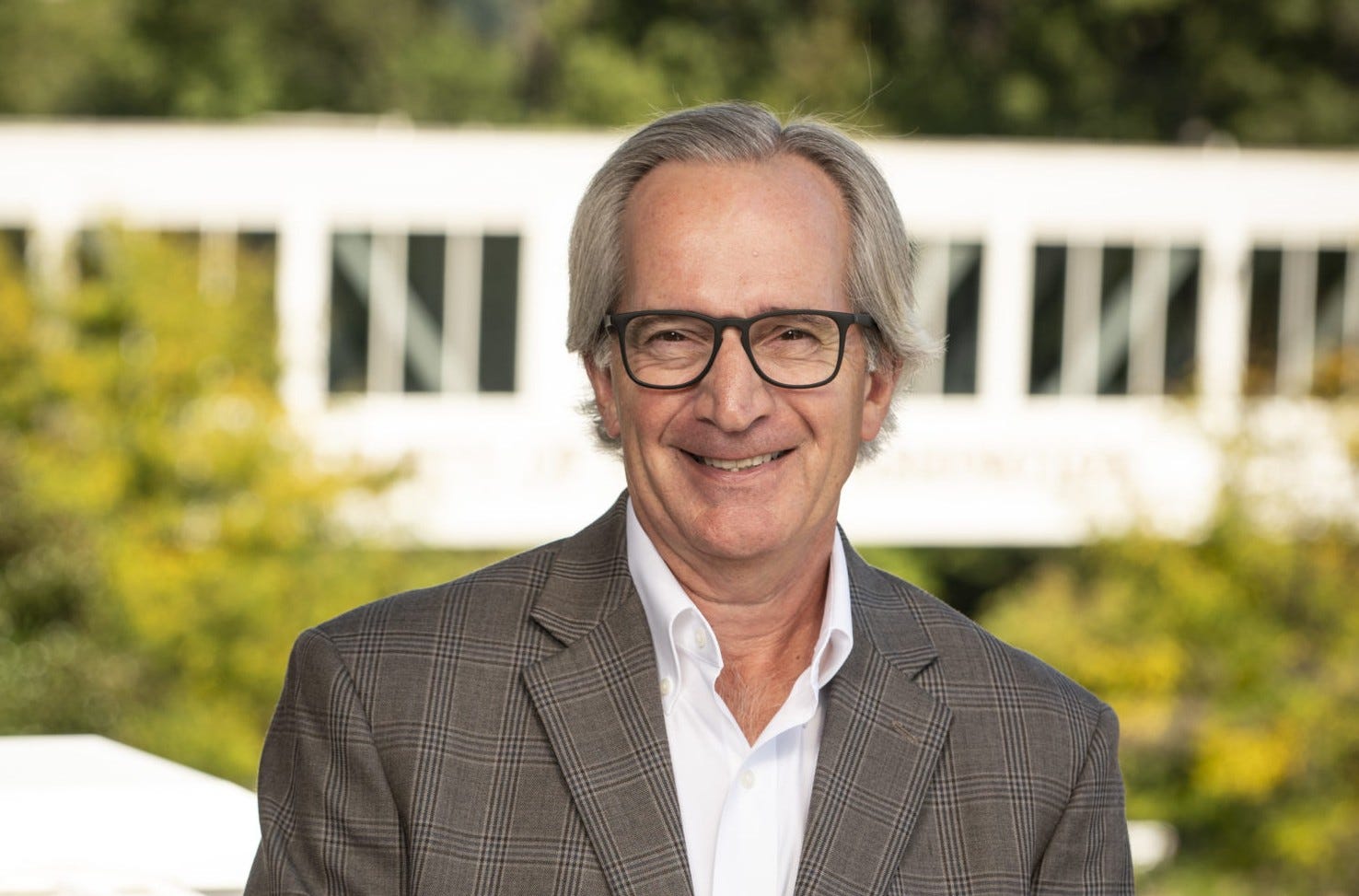
Throughout my time leading the Fredericksburg Regional Alliance, I have seen how key industries can drive regional growth and opportunity. Our region is now the fastest-growing in Virginia, a testament to its economic vitality and quality of life. But with that growth comes a pressing challenge we can no longer afford to ignore: our healthcare workforce, particularly in primary care, must keep pace.
The extended region – including the city of Fredericksburg and the counties of Caroline, King George, Orange, Prince William, Spotsylvania, Stafford, and Westmoreland – has been designated a Health Professional Shortage Area (HPSA), with the most recent Rappahannock Area Community Health Assessment documenting critical gaps in access to primary care physicians.
Anyone who lives here can describe what that means in real terms: calling for appointments and being told the wait is six months to a year, struggling to follow up on specialist referrals, or trying to schedule routine pediatric visits for children. Timely care is increasingly difficult to find.
That shortage is becoming more acute as the region grows. Over the past decade, the region’s population increased by 14 percent—more than twice the statewide growth rate of 6 percent. In other words, demand for care is accelerating while the supply of primary care physicians is not. That gap is not the result of a lack of interest in healthcare careers.
Virginia has no shortage of aspiring doctors. Each year, the Commonwealth’s public medical schools – Eastern Virginia Medical School, the University of Virginia School of Medicine, Virginia Commonwealth University School of Medicine, and the Virginia Tech Carilion School of Medicine – receive between 6,000 and 7,000 applications, yet collectively enroll only about 600 students. A new public medical school would expand access to medical education for qualified, home-grown students who are eager to serve Virginia communities.
The proposed Mary Washington College of Medicine from the University of Mary Washington and Mary Washington Healthcare could become the regional resource needed to educate, train, and retain physicians locally. With a goal of enrolling 100 students per class across four years of study, the school is projected to place at least 125 new primary care physicians in the extended region by its 10th year of operation. Across Virginia, including the Fredericksburg region, that number would reach 300 – making this a statewide benefit as well as a regional one.
The economic implications of that workforce investment are significant. The proposed medical school would directly contribute to the region’s economy through employment, the purchase of goods and services, and spending by medical students and residents. Those dollars would circulate further as vendors, suppliers, employees, and students spend money locally, creating additional indirect and induced economic activity.
When these ripple effects are taken into account, the potential statewide annual economic output is estimated to be $942 million, almost $350 million in wages and benefits, from 893 direct jobs, with 2,178 indirect and induced jobs, as well as associated tax revenue of $31 million, according to a report from Mangum Economics completed for the Fredericksburg Regional Alliance.
Mary Washington Healthcare already has a robust graduate medical education program with 200 clinical physician faculty members. The University of Mary Washington recently announced a Master of Science in Nursing Program, now enrolling for Fall 2026, that extends their undergraduate education from the RN-to-BSN completion program into the graduate level, adding tracks for nurses who want to become nurse practitioners or teach at the college level. The General Assembly has provided initial funding for this effort, and the hope is that they will continue that support to sustain this critical need in our community
Together, these institutions bring existing facilities, experienced faculty, and a shared commitment to the region. Their adjacent campuses with the Mary Washington Healthcare Conference Center and Eagle Village Executive Offices could create a natural hub for collaboration, reinforcing a unified mission to improve healthcare outcomes for the communities they serve.
With investments in nursing, graduate medical education, and physician training, this partnership is building a healthcare pipeline rooted in the region itself. Physicians trained here are more likely to stay, build practices, and put down roots. They know the community, understand its needs, and provide the first, and often most critical, point of contact in the healthcare system.
When primary care is accessible locally, residents are healthier, employers benefit from a more reliable workforce, and families spend less time traveling long distances for routine care. In that sense, primary care is more than a healthcare service. It is essential economic infrastructure, and it’s the next opportunity for our region. My only regret in retiring from the Fredericksburg Regional Alliance is that I won’t be directly involved in the next chapter of this work, which has such promise to benefit the quality of life in our area.


Local Obituaries
To view local obituaries or to send a note to family and loved ones, please visit the link that follows.
