
By Donnie Johnston, ADVANCE COLUMNIST
Nature operates on its own schedule, not that of humans.
For eight months—between last July and this April—we had little precipitation and some began wondering if it would ever rain again.
Not to worry. We should have known that when Mother Nature was ready, she would let go. And the old gal has.
We had seven inches of rain (at my house) in May with precipitation about average in June and July. Now the skies have really opened up here in August.
We (at least at my house) have received measurable precipitation 14 of the first 25 days this month, almost 10 inches total. That’s a lot of rain, as the gas bill for my lawn mower will attest.
Of course, it is great for the second hay crop—if farmers can find a three-day window when it is dry enough to mow and bale. It is also good for late gardens.
Yes, we had that eight-month drought, but if you look at the 2025 calendar year, you’ll find that precipitation was just about average (43 inches). And at the current rate, 2026 will be above average.
Nature always evens things out.
Everyone is starting to think about winter, and several snow prediction forecasts have even found their way onto social media. Each one that I have seen is predicting a very snowy winter for Northern Virginia and much of the state.
I wouldn’t get too excited. Every year the long-range forecasters predict doom and gloom and snow as high as the top of the outhouse door. The Old Farmer’s Almanac always concurs. Deep snow. Plenty of frigid weather.
It is what people want to hear because, even if you hate to get around in it, we are all fascinated by snow. It is beautiful coming down and there is nothing lovelier than an undisturbed snowy landscape.
But the truth is that we seldom get snowy winters in our area because we are too close to the warming influence of the Atlantic Ocean. One hundred miles to the west, West Virginia’s elevation can result in 100 inches of snow per winter. We’re lucky to get 10.
What we too often get is ice, as we did last winter, and, as we found out, that is far more dangerous than snow. If you recall, many people were caught off guard last January and stores sold out of de-icing salt and snow shovels.
With a super El Nino taking shape, you might want to be prepared this year. I know that I am buying bags of salt as soon as it hits the shelves.
And a good steel-handled snow shovel might be a good investment. Those plastic handled jobs do fine in dry snow, but if you recall, they just couldn’t take that hard ice last winter.
I’m building my wood pile and getting ready. Whether it snows or not, I love my fire on a cold winter’s night.
My pantry is full of vegetables—cans of beans, tomatoes, beets and kraut. And I have enough potatoes to get me through the winter. It was a good season.
Now I’m getting my garden prepared for winter, taking down the tomato cages and posts and bush hogging what vegetation that’s left. I will plow in October and allow the soil to freeze and that all winter. It is usually perfect when March comes.
We are about two weeks away from the peak of the Atlantic hurricane season, but the atmosphere remains quiet. That super El Nino hasn’t done much to inspire the tropics. The threat, however, will remain high until the middle of October.
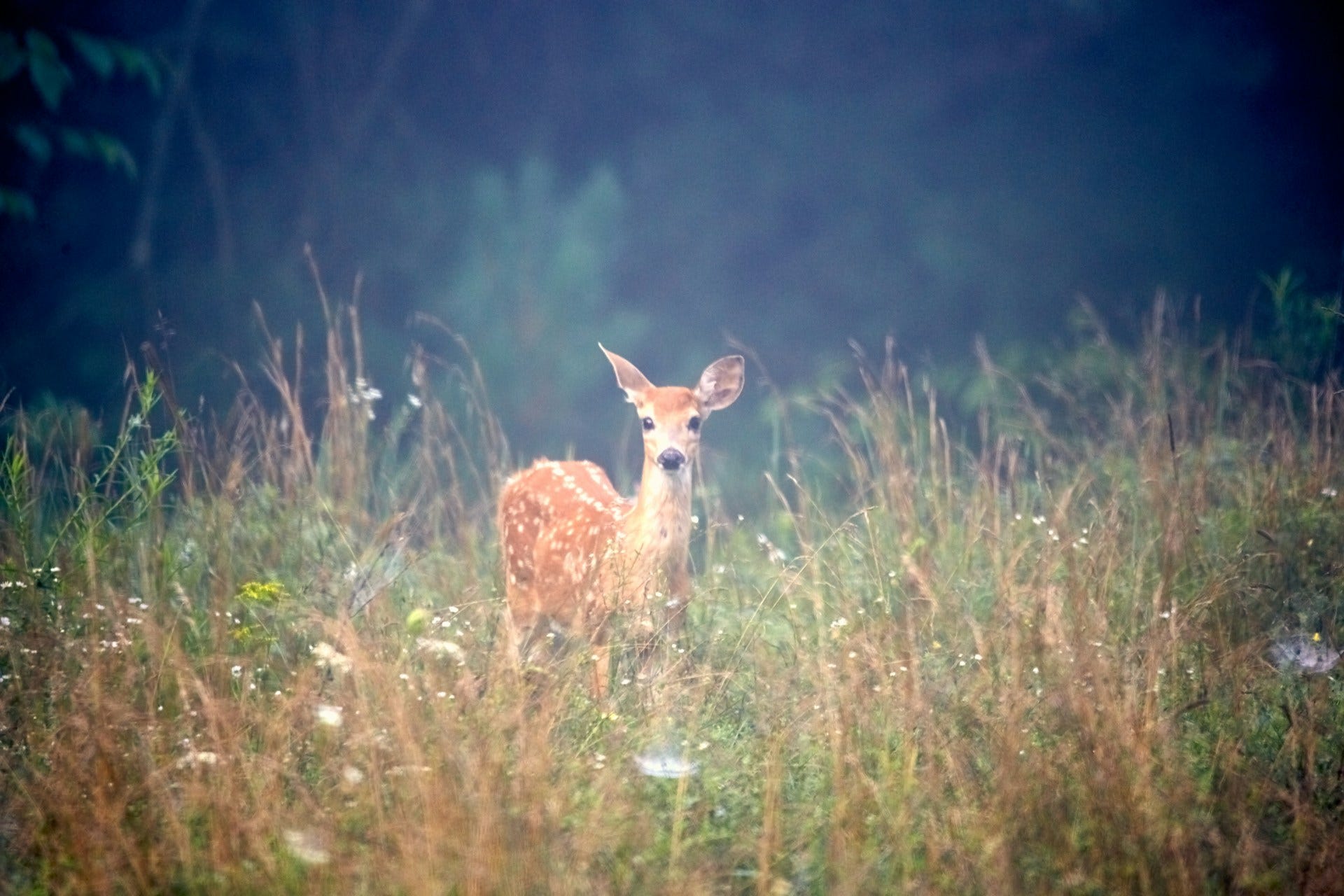
I continue to be amazed by the abundance of deer this summer. With the coyote population down (for whatever reason), fawn mortality is way up and I see more and more doe with twins and triplets.
These animals have become little more than pests, destroying gardens and flower beds and causing automobile accidents. And they are now proliferating in suburban—and urban—areas where hunting is impossible. To make matters worse, hunting is becoming unfashionable.
But if you do hunt, venison is a cheap alternative to the high prices of beef. I have several friends who never buy meat at the store anymore. With proper permits, you can now kill almost as many deer as you like and fill your freezer.
As I have warned before, fawns are starting to follow their mothers everywhere these days and the highways are getting more dangerous. The rut begins in about six weeks and that is when deer, primarily bucks, travel long distances. The roads will become even more dangerous and body shops will get ever busier. A high deer population is not good for insurance rates.
Deer, rainfall and the coming winter. Mother Nature doing her thing.

Lucky you! Rain bands seem to skirt downtown Fredericksburg, splitting off to the north and south. My rainfall total for May was 2.8", and July was the highest with 6.5". So far in August, I've had 4.9". Still not too shabby, especially compared to the last couple years, but definitely less than Stafford, which seems to be favored with the heaviest rains. At least we don't have to worry about deer decimating our gardens!