
By Phil Huber, ADVANCE COLUMNIST
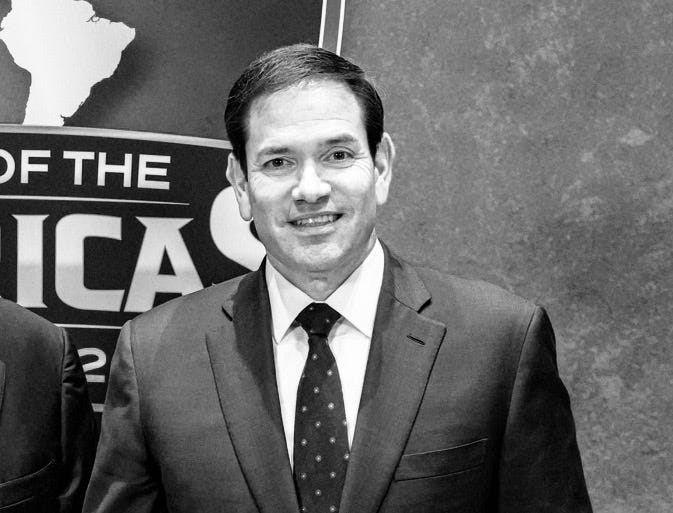
Marco Rubio holds two of the most consequential jobs in American government: secretary of state and national security adviser. He has accepted extraordinary responsibility for American diplomacy and national security. He must answer for the results.
For anyone considering Rubio as a future president, this is an audition. Is this how he would run our country?
Rubio does not control Donald Trump. But he cannot claim the stature of his offices while escaping responsibility for policies he supports and administers.
The Nvidia controversy presents a revealing test.
The New York Times and CNN reported that Rubio helped circulate intelligence warnings about Nvidia chief Jensen Huang’s relationship with a woman identified by American intelligence as working for Chinese intelligence. Rubio reportedly briefed Trump before Huang joined the presidential trip to China. The White House disputed the briefing account.
Rubio deserves credit for raising the warning. But when questioned publicly, he called the controversy “an internal corporate matter.” An intelligence concern serious enough to brief the president is not merely corporate business. Nvidia’s statement that its board had no reason to believe national security or company secrets were compromised did not eliminate the government’s responsibility to assess the risk.
We do not know everything Rubio recommended privately. We deserve to know what safeguards he demanded.
My standard is straightforward: When a president disregards a grave national-security warning, his senior adviser must insist on corrective action—and resign if remaining means defending an unacceptable risk. Delivering a briefing does not exhaust the duty.
On Iran, Rubio’s position requires no speculation. He publicly defended the war as “not necessarily popular, but necessary.” He owns that judgment.
Gulf partners have suffered attacks and economic damage. Analysts identify opportunities for China as regional governments reconsider their dependence on Washington. Beijing need not replace America as their security provider to benefit from declining confidence in American judgment.
Rubio must answer for those consequences, not merely explain presidential decisions afterward.
His handling of ethical questions is equally troubling.
Major negotiations have run through Steve Witkoff and Jared Kushner, presidential confidantes whose financial relationships demand scrutiny. Kushner’s foreign investment ties have prompted congressional investigations. Witkoff co-founded World Liberty Financial, whose UAE-linked transactions attracted congressional questions about potential conflicts. The administration denied a connection between those transactions and American policy decisions.
Potential conflicts do not establish corruption. They require disclosure, enforceable safeguards and independent review.
Asked about Witkoff, Rubio said he had seen no evidence that the envoy advocated positions for personal benefit. That answer sets the standard too low. Ethical leadership requires demonstrating how conflicts are managed, not simply expressing confidence that an associate has done nothing wrong.
Venezuela presents a direct exercise of Rubio’s authority.
The State Department reports that $12.26 billion in Venezuelan natural-resource revenues entered an American-controlled custody account during the first nine months of this year. The money remained Venezuela’s sovereign property—not an American windfall.
Yet Washington controls access. Venezuelan authorities must request funds and justify their use. The accounting assigns Rubio a central role in determining the purposes for which the money is held, while Treasury administers the account.
That is political power exercised through financial control.
Moving billions does not establish a comparable improvement in ordinary Venezuelans’ lives. Many report no improvement, even as private oil investors gain expanded opportunities. Rubio must explain who benefits—and when Venezuelans will regain independent control over their revenues.
Their national wealth is not a trophy.
Cuba now faces Trump’s attention. He has said he wants to “get Cuba done,” entertained military intervention and identified Rubio as central to the effort. Rubio himself called on those seeking change in Cuba to partner with the CIA.
He owes Americans and Cubans an account of his objectives, methods and limits. Invoking liberation does not excuse withholding an explanation of how it will be pursued.
Rubio, the son of Cuban immigrants, should approach Cuba’s people with the care he would extend to his own family. His heritage creates a personal connection, not a mandate to determine their future.
Cubans’ safety, livelihoods and freedom should come before presidential boasts or political ambition. Their suffering is not evidence that a policy is working. Helping them means respecting their right to shape their future.
Republicans promoting Rubio for president praise his communication skills and ability to unify their party. Americans should demand more. A reassuring manner does not establish sound judgment, resolve ethical conflicts or justify control over another nation’s resources.
Rubio’s assignments are not merely credentials for higher office. They are evidence of how he uses power.
Before entrusting him with the presidency, voters should examine the policies he defends, the people who bear their costs and the limits he is willing to place on himself.
***
Phil Huber is a retired Army Reserve colonel and former federal civil servant who writes about civic education, public accountability and national security. He lives in Fredericksburg.

Excellent analysis, which I was pondering during Trump’s embarrassing [“I can’t speak to America,” stated Donald Trump] press conference today. His capitulation to chaos, corruption and crony capitalism continues.