
By Phil Huber, ADVANCE COLUMNIST
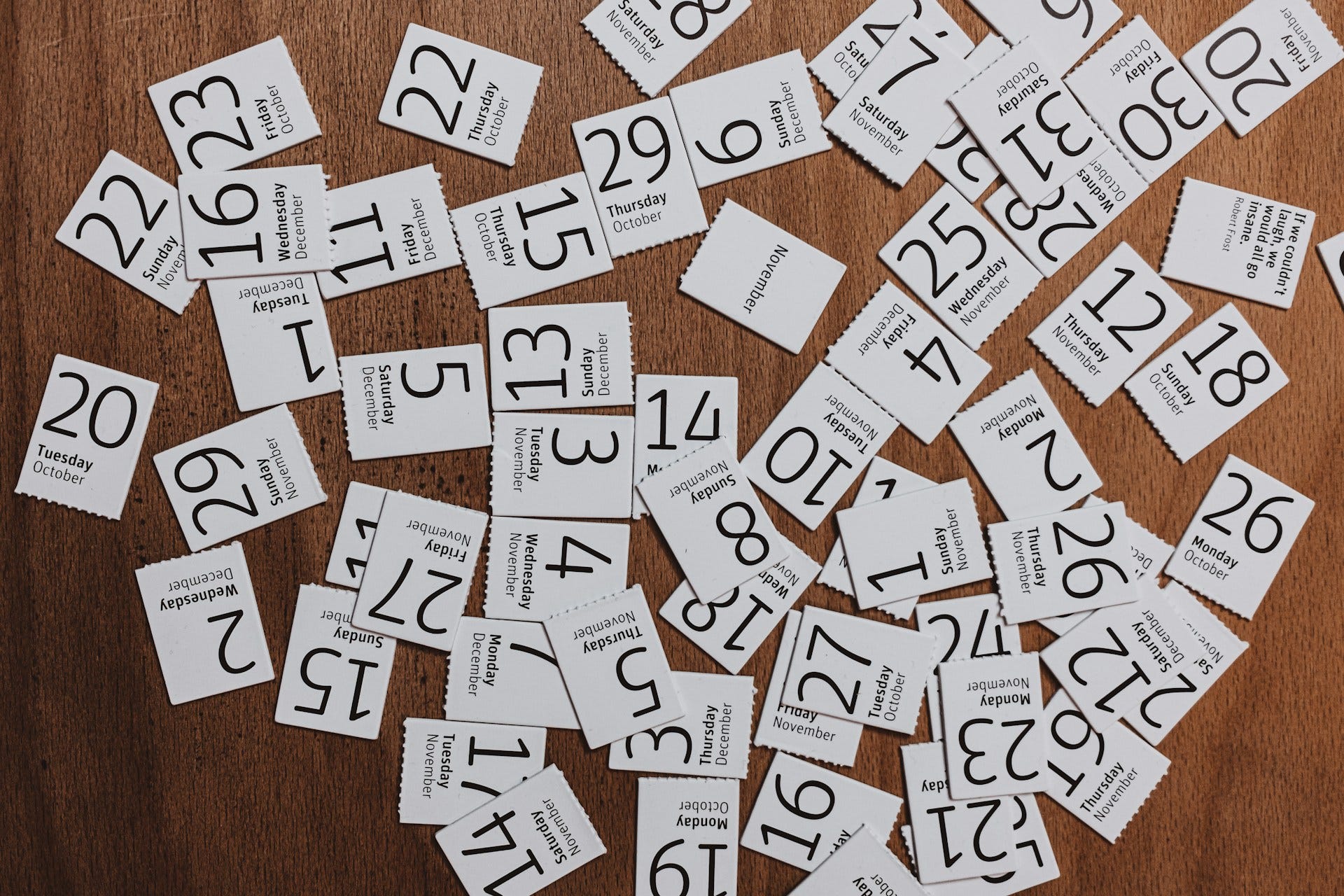
The trouble began when someone brought a calendar into the White House. It was an ordinary calendar, except that January 20, 2029, had been circled. Trump pointed at the date. “What’s that?”
“The end of your term, sir.”
“Who approved it?”
The aide explained that the date followed from the Constitution. Trump instructed him to have legal look at it. Within minutes, the calendar had been removed, the messenger had been reassigned, and a meeting had been called to discuss continuity of leadership. Nobody used the word “succession.”
Vance arrived carrying a binder labeled “The Next Chapter.” When he saw Trump’s expression, he said it was Rubio’s.
Rubio brought a map of the world and a carefully prepared statement about experience, stability, and American leadership.
Trump fell asleep in his chair.
Donald Jr. arrived with a business proposal for a $Trump Memecoin 2.0.
Eric brought preliminary drawings for an expanded, gold-plated Oval Office.
Trump motioned for Eric to sit closer.
Trump announced that he was not selecting a successor. He was selecting someone to continue his presidency under a different name. When an aide suggested that sounded like a successor, Trump corrected him. “A successor succeeds you. This person agrees with me.”
Vance nodded. Rubio nodded. The sons nodded in unison.
Trump’s first question was simple: “If you become president and I call you at three in the morning, what do you do?”
Vance promised to answer immediately.
Rubio promised to listen and not interrupt.
Donald Jr. said he would ask which channel Trump was watching.
Eric said he would install a direct line with no mute button.
Trump made a note beside Eric’s name.
The second question concerned disagreement. “Suppose I tell you to do something and your advisers say it’s a mistake?”
Vance said he would get better advisers.
Rubio said he would review the strategic context. Asked what that meant, Rubio explained that he would get better advisers.
An aide studied his binder and suggested that prospective presidents should also discuss the economy, health care, national security and the cost of groceries. Trump looked puzzled. The aide withdrew the suggestion and moved “Grocery prices” to an appendix.
Then came the difficult question: What would Trump’s role be after leaving office?
Rubio offered “Senior adviser.”
Vance suggested “Leader of the movement.”
Donald Jr. proposed “Chairman.”
Trump liked that one, but wanted to know “Chairman” of what?
“We can work that out,” his son replied.
Eric slid over a drawing of an enormous desk.
One prospective candidate, seated near the door, finally raised a hand. “Would the next president be allowed to make an independent decision?”
Vance studied his hands.
Rubio examined a country on his map that had suddenly become fascinating.
The sons looked toward the door.
“Of course,” Trump said. “As long as it’s the right decision.”
“And who decides whether it’s right?”
“That’s a very nasty question.” The candidate’s chair was removed during the coffee break.
By afternoon, the competition had grown intense. Vance promised continuity. Rubio promised competence. Donald Jr. promised that nobody would have to change the signs. Eric promised an even larger desk.
An aide tried to explain that the presidency was not a franchise, the nomination was not a deed, and the American people would have something to say about the arrangement. Trump waved him away. “We’ll get to the customers later.”
Everyone received an application. There were spaces for qualifications, proposed policies, and examples of independent judgment. Those sections were optional. The required question read: “When we disagree, how quickly will you correct yourself?”
Then the calendar reappeared.
Trump studied it for a moment. “Who says a year has to be 365 days?”
An aide began explaining about the Earth’s orbit. Trump interrupted. “Get somebody else from NASA.”
Vance leaned forward. “The founders never anticipated how much you could accomplish with a 900-day year.”
Rubio nodded cautiously. “We would need our allies to recognize the additional days.”
Trump had an answer for that. “Tell them it’s that or tariffs.”
Donald Jr. was already ordering calendars marked “Trump Standard Time.”
Eric proposed putting the extra days in February.
“Nobody likes February,” Trump said. “Put them in months where I’m doing well.”
An aide pointed out that adding days to a calendar would not change the constitutional end of Trump’s term.
“Then don’t call them days,” Vance suggested. “Call them executive extensions.”
Rubio requested a copy of the proposal before commenting further.
At last, Trump approved the new calendar. January 19, 2029, would be followed by January 19-A, then January 19-B. January 20 would appear “at a date to be determined.”
Around the table, the hopeful successors applauded. They had come to discuss their political futures. They left with longer calendars—and shorter prospects.
***
Phil Huber is a retired Army Reserve colonel and former federal civil servant who writes about civic education, public accountability and national security. He lives in Fredericksburg.

Are you effing kidding me? Every day the lunacy gets more out of control.
Funny, but scary too.