By Phil Huber, ADVANCE COLUMNIST
In the late 1980s, I served for four years as an intelligence officer in Heidelberg, Germany, with a reserve Military Intelligence Detachment operating above corps level. I participated in numerous NATO exercises.
I bring that background—not access to today’s classified intelligence—to events surrounding Ukraine and the sudden disruption of satellite data critically important to the country’s defense against Russian drone and missile attacks.
An analyst notices a pattern, tests competing explanations, and asks what evidence would distinguish them. He does not turn suspicion into proof. Neither does he ignore a pattern because the explanation is incomplete.
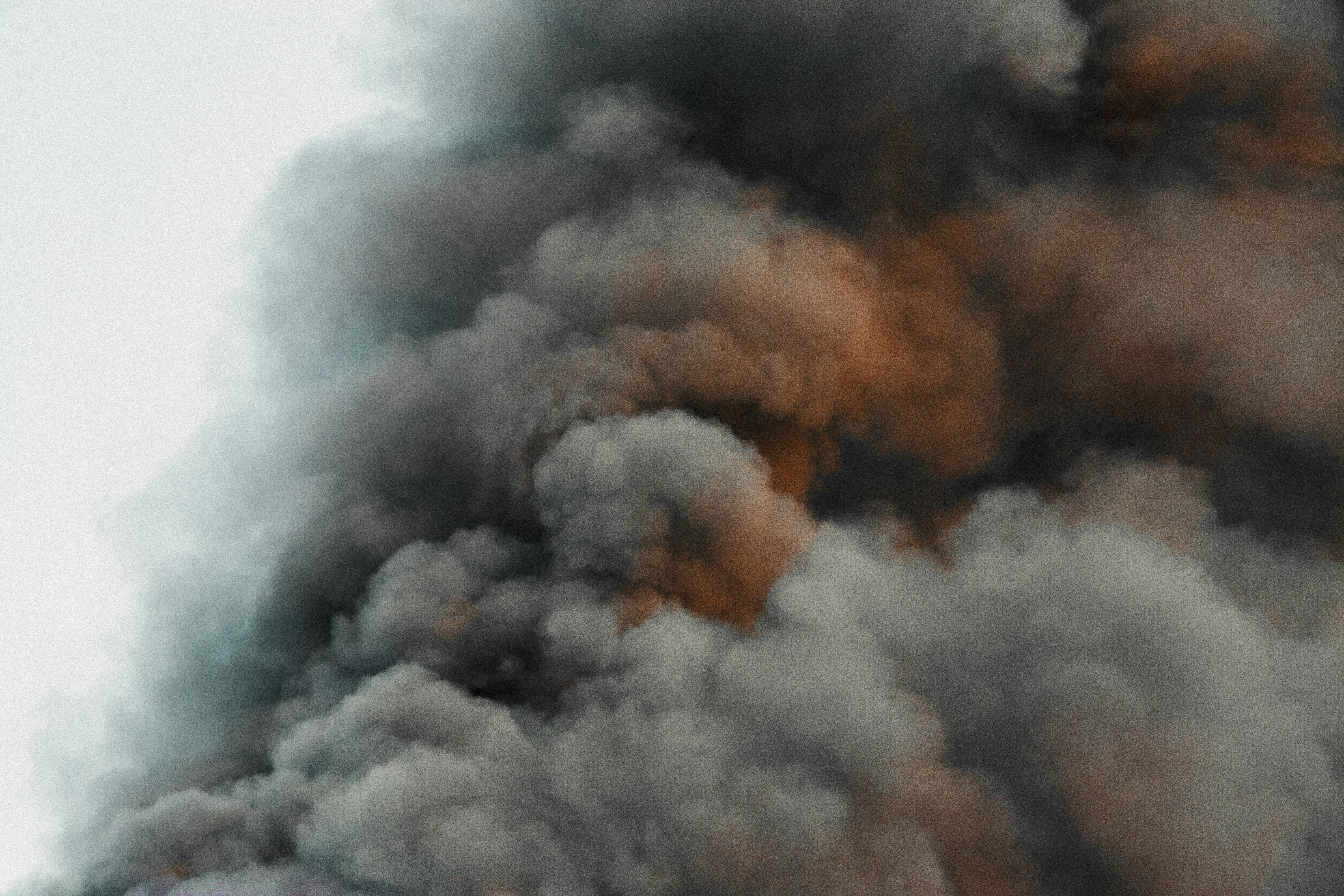
I see smoke. I want to know whether there is a fire.
These events have a history
Reuters reported that in March 2025, the Trump administration suspended military assistance and intelligence sharing with Ukraine. Washington restored support after Kyiv accepted an American ceasefire proposal. That restoration belongs in the analyst’s account. So does the administration’s use of essential support as leverage.
A July 2025 Reuters investigation reported that Musk ordered Starlink coverage disabled in parts of Ukraine during its September 2022 counteroffensive, disrupting operations. SpaceX disputed the reporting. This contested account is relevant history, not proof of today’s explanation.
What concerns me is how much power outside decision-makers have over Ukraine’s defense—and how little the public can see of the rules governing that power.
What happened this October?
On October 9, the Treasury Department authorized transactions involving Russian diesel, including imports into the United States, through April 7, 2027. The authorization contained no explicit requirement that Russia stop attacking Ukrainian energy facilities. Separate diplomatic conditions may exist, but they were not written into this document.
Trump blamed Ukrainian refinery attacks for diesel shortages and higher prices. BBC reporting identified another major factor: Disruption of Middle Eastern exports associated with the Iran war.
Reuters reported Trump administration threats to intelligence sharing and weapons access unless Ukraine stopped its refinery attacks. Zelenskyy subsequently described a threat to intelligence sharing in an NPR interview. These are attributed accounts, not released American directives. They describe a policy connection—not merely simultaneous events.
Trump announced an energy-sector ceasefire, but reporting did not establish clear, simultaneous acceptance by both belligerents. Russian strikes continued. Ukraine then reported restrictions on military satellite connections. By October 15, Ukrainian Defense Ministry sources reported some recover of service, with the circumstances still under investigation.
The evidence has moved
Reuters now reports, citing two American officials and a Western official, that the order to restrict Starshield originated inside the White House and was communicated to Pentagon leaders. Its sources did not identify who made the decision or implemented it.
An American official told Reuters the president made no such request. That is not the same as saying nobody in the administration did. The White House did not answer whether other officials were responsible.
Commercial Starlink and government-oriented Starshield are not interchangeable. Musk said the government controlled Starshield and decided its operating limits. An American official earlier denied administration involvement in the reported restrictions. Those statements did not resolve the decision chain.
As an analyst, I would not treat anonymous sources as a final finding. Neither would I treat a narrowly worded denial as an answer to the broader question.
Evidence that American officials ordered a restriction would not establish coordination with Russia. Those are separate propositions requiring separate evidence.
Three explanations remain
First, deliberate coordination: Economic concessions, restrictions on support, and battlefield pressure are aligned to force Ukrainian concessions.
Second, independent decisions with reinforcing effects: Washington, SpaceX, and Moscow pursue separate objectives, but Ukraine faces pressure from several directions.
Third, opportunistic exploitation: Someone takes advantage of another’s decision without advance agreement.
I must also examine inconvenient facts. Russia’s energy campaign preceded the diesel agreement. And after Zelenskyy reported a missing missile warning, his foreign minister said American intelligence continued arriving and attributed the delay to the weapon involved. Neither fact fits a simple story of a newly coordinated campaign and a general intelligence cutoff.
What I will watch
I am identifying evidence that would change my assessment, not predicting tomorrow’s headline.
First, the decision trail. Records linking a restriction to demands over refinery attacks would strengthen the pressure-campaign explanation. A documented technical failure unrelated to those negotiations would weaken it.
Second, restoration. Was a fault corrected, an unauthorized instruction reversed or a policy condition satisfied? Service returning cannot distinguish those explanations.
Third, oversight. Republicans Susan Collins, John Cornyn, Lisa Murkowski and Thom Tillis joined Democrats in requesting a Pentagon inspector general investigation. They asked who directed or knew about restrictions and whether satellite and intelligence disruptions were connected.
Congressional questions include possible involvement by Defense Secretary Pete Hegseth and other senior Pentagon officials. That is a question, not a finding.
Congress should preserve contracts, technical records and government communications. Refusing scrutiny would deepen the accountability problem. It would not, by itself, prove coordination.
The latest reporting strengthens the case for investigating an American decision. It does not establish a joint operation with Russia.
My intelligence experience does not give me the answer. It gives me a discipline: Identify the possibilities, specify what would distinguish them, and change the assessment when the evidence changes.
The smoke warrants investigation. The evidence—not my suspicion—must determine what we find. And for heaven’s sake, Congress, please do your duty.
***
Phil Huber is a retired Army Reserve colonel and former federal civil servant who writes about civic education, public accountability and national security. He lives in Fredericksburg.