
By Lauren Bock
ADVANCE CONTRIBUTOR
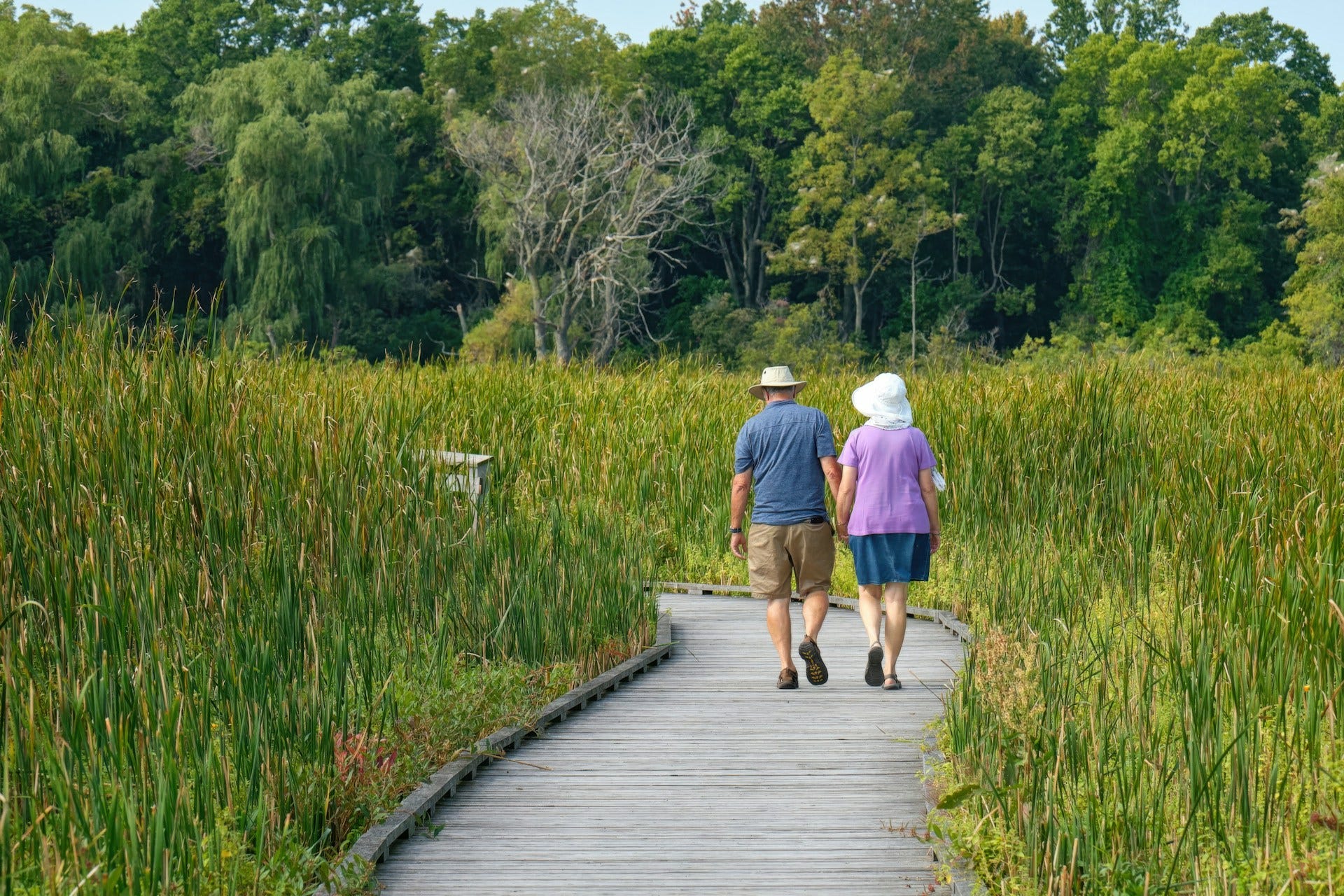
I’m convinced that my step-mother-in-law should donate her body to science. A longevity marvel, she found her first gray hair at age 62. Her mother died at 87 with a luscious head of natural brown hair. They were both Lancaster, PA natives. Perhaps it’s the cow-manure-filled fresh air, or the Pennsylvania Dutch succotash. Three of my four grandparents raised in Pennsylvania lived into their 90s, so maybe we should all move there. Shoefly pies for everyone!
I’ve had the privilege of practicing Internal Medicine and Lifestyle Medicine for nearly 20 years, and over that time, patients have taught me a lot about quality of life and longevity. I’ll always remember what Dr. Frank Westmeyer, one of my teachers, told me early in my career: “The best thing you can do is sit down, shut up, and let the patient talk.” It was sound advice.
The word longevity was not in my patient vocabulary until I allowed myself to become the student and my patients to become the teachers. 91-year-old Jane was one of those teachers. Blissfully demented, she spent her days gardening with her daughter, and ultimately passed away peacefully without an ounce of agitation. We might not be able to age without disease, but to age gracefully and die peacefully sounds dreamy.
The reality check of longevity can be jarring, as expectations might not match reality. We tend to cling to outlier stories to justify our anti-longevity behaviors: “Uncle Joe smoked two packs a day, and ate bacon for breakfast every morning, and he lived to 92.”
Conversely, there are those stories about folks who seemed to play all of the right cards and yet still had to fold their hand prematurely: “Aunt Nellie ate salad everyday, and never drank alcohol, but she died of gallbladder cancer at 62.”
Stories such as these can be head-scratchers but are overall rare. I have yet to meet any patients who were morbidly obese their entire lives and lived to be 95. If by chance they made it into their 80s, they were usually riddled with arthritis among many other diseases.
Some disease states are the antithesis of longevity. Five-year survival data on a number of common chronic diseases are startling. End-state kidney disease on dialysis has a 35 percent 5-year survival rate. For congestive heart failure, the 5-year survival rate is 25 percent.
I often hear people say, as I did at the start of this column, “But longevity runs in my family. My grandmother lived to 96.”
Great… except Grandma grew up in a very different world than you and your children. Grandma’s diet was naturally cleaner and minimally processed. Takis first debuted in 1999. Ultra-processed foods were the exception to the rule. Screen time was limited to a weekly episode of Dick Van Dyke or I Love Lucy.
We can’t bank on the longevity of our relatives to predict our own longevity. My mother-in-law was diagnosed with breast cancer at age 58. Her older sister was diagnosed with breast cancer at age 59. My sister-in-law, though, was diagnosed with breast cancer at age 39—when she was 20 years younger.
Diseases aren’t necessarily being diagnosed earlier, they are starting earlier. The reason: Epigenetics, the concept that we have genetic predispositions for diseases such as cancer or autoimmune diseases like thyroid disease or rheumatoid arthritis. Our environment, which can turn on or turn off such genes, includes the foods with which we nourish our bodies, the sleep we do (or don’t) prioritize, the chronic stressors, even our zip code.s Diseases are often seen clustering in certain communities, which suggests that our proximity to industrialized practices, pollutants from wastewater runoff, even the potential impact of data centers can affect our physical and emotional health.
Longevity has been a buzzword for the past several years. As I stroll down Caroline Street. I overhear people chatting about their latest health investment. Patients come into my clinic with an arsenal of supplements and various “wellness” clippings from the newspaper or their favorite magazine. The marketing of longevity-enhancing products is omnipresent: Eat this mushroom. Take this supplement. Wear this vest. All promise robust health and a longer life. The claims are generous, if not outright deceitful.
As you might imagine, longevity-in-a-bottle claims tug at your heart strings while digging into your wallet. The promises are endless, but the results can be lackluster and data-lacking. What to believe? Who to believe? Reels, Facebook ads, Instagram, TikTok, commercials—the marketing is everywhere, and sometimes overwhelming. Heaven forbid you pause your social media feed to check out a health- or longevity-based ad. Your algorithm will have you spending hours of precious time seeking the nebulous fountain of youth.
The longevity game is actually pretty simple, as it turns out, with the research leaning into healthy habits as the key to longevity success—those broken-record pillars that we all know but too often fail to implement: Sleep well, move more, eat plants, love more, avoid substance abuse. The massive rise of colorectal cancer in young adults in their 20s, 30s, and 40s, suggests that we’re flunking the longevity challenge. More specifically, we’re flunking the health-longevity challenge. which should be the real goal: To age long and well, with minimal disease.
Why live into your 90s if you’ll be stuck in a nursing home with crippling arthritis, unable to recognize your loved ones?
If we want to live long and well, the game has to start earlier. You’re behind the 8-ball if you wait until your 50s or 60s to start thinking about longevity. Adults who were athletic in their younger years are able to get back into shape easier than those who never laced up their tennis shoes. Even if they’ve let themselves go, these former athletes manage to put on muscle mass easier than the rest of us. Think of it as muscle memory. The body adapts to exercise easier when it has previously engaged in exercise. Likewise, consider longevity to be a kind of muscle. We want to train the longevity muscle to adapt to our bodies as we age.
You might want to ask yourself, “What does longevity mean to me?” Is it defined by living to a certain target age? Is it about fewer wrinkles and gray hairs? Or is it about being able to participate in life’s activities without major limitations?
It’s important to visualize your goal. Without a vision, your longevity journey lacks direction or intention. When working on a lifestyle change with patients, I ask them to come up with a clear picture of what they’re after. Having that picture in mind—or better yet, written down or drawn on paper—gives them something concrete to refer back to as a guide.
You might want to try it as well. Then as you reach for the Oreos, or binge another Netflix episode, check in with your guiding image for a little help navigating tempting waters.
***
Lauren Bock is a certified Physician’s Assistant. From 2021 until 2025, she led a Preventative Cardiology program with Virginia Cardiology Consultants and Oracle Heart and Vascular. She has since become the first PA in the Fredericksburg area to be board-certified in Lifestyle Medicine. You can contact her at her lifestyle medicine practice Be Well.