
By Phil Huber
ADVANCE COLUMNIST
Advance Columnist Donnie Johnston is right: taking Donald Trump’s name off the Kennedy Center is one small step back toward democracy. It matters that a federal judge effectively said, “No, you can’t put your name on a national institution simply because you want to.”
But that ruling is part of a much larger story.
Across the country—and here in Virginia—democracy is being defended in a way most people never see: through lawsuits.
Not rallies. Not social media posts. Lawsuits.
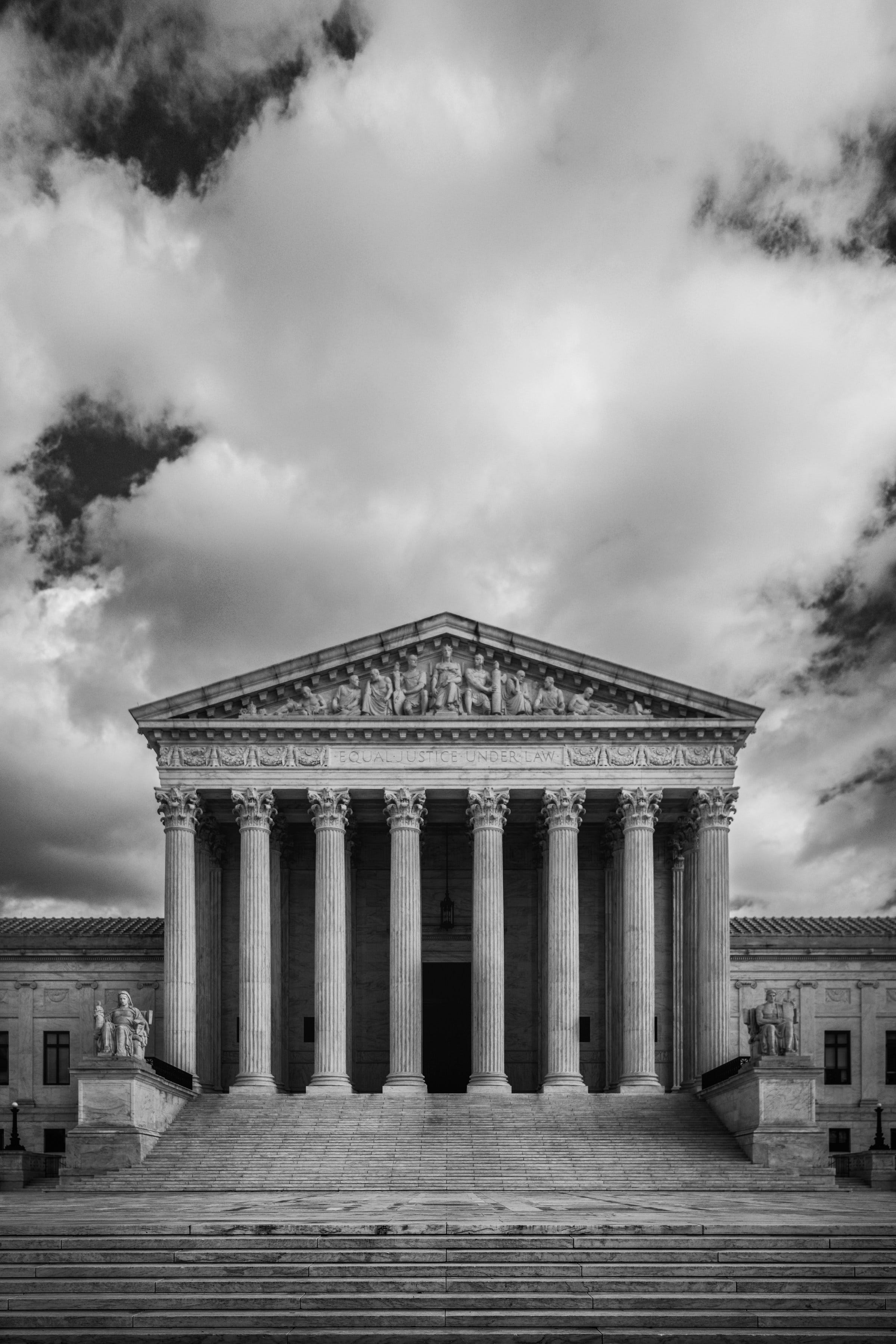
We often talk about “checks and balances,” “separation of powers,” and the “rule of law” as if they’re abstract civics lessons. Today, they look much more concrete. They look like lawyers filing emergency motions before questionable policies take effect. They look like judges willing to tell presidents, governors, and agencies, “No.” They look like unions, civil-rights groups, state attorneys general, and ordinary citizens refusing to let power go unchecked.
If our democratic system is still functioning, it is not because institutions automatically correct themselves. It is because people keep taking governments to court—and winning.
Over the past several years, hundreds of lawsuits have challenged actions affecting elections, civil service protections, voting rights, transparency, and executive authority. Together, they reveal an important pattern: when government officials push beyond legal limits, someone sues. Often, the courts intervene.
The Kennedy Center case is a good example. The ruling did more than preserve a name on a building. It reinforced a basic principle: Public institutions do not belong to politicians. They belong to the public, and the law still matters.
So, who is holding the line?
First, there are the democracy lawyers.
Organizations such as Protect Democracy and Democracy Forward were built for moments like this. Their mission is simple: identify abuses of power and challenge them before they become normalized. They contest unlawful executive actions, demand government records, and force agencies to follow procedures established by Congress. Their work is rarely glamorous, but it is essential.
Second, there are civil-rights and civil-liberties organizations.
Groups such as the ACLU, Common Cause, and the Brennan Center for Justice have spent years defending voting rights, free speech, and equal treatment under the law. When policies threaten access to the ballot box or target political dissent, these organizations are often in court immediately. They represent voters, activists, and communities whose rights might otherwise be ignored.
Third, there are unions and public servants.
Public-sector unions protect the career employees who keep government functioning. When efforts are made to replace professional expertise with political loyalty, unions often become a crucial line of defense. Merit-based public service is one of the quiet pillars of democracy. Without it, government risks becoming a patronage system rather than a public institution.
Fourth, there are state and local officials.
State attorneys general, election administrators, and local governments frequently challenge federal actions they believe exceed legal authority or threaten their residents’ rights. They often serve as an important counterweight when federal power expands beyond established limits.
What have these lawsuits achieved?
Quite a lot.
They have forced the release of records governments preferred to keep hidden. They have blocked or delayed policies that courts found unlawful. They have protected voting rights, defended civil-service protections, and required agencies to follow established procedures. In some cases, they have stopped questionable policies entirely.
This is what defending democracy often looks like—not dramatic showdowns, but a steady stream of injunctions, rulings, and legal challenges. Slow. Technical. Sometimes boring. Yet indispensable.
Donnie argues that citizens must do more than complain. They must recruit strong candidates, engage politically, and prepare for future elections. He is right.
But we should also recognize the people already doing the work.
For those of us in the Fredericksburg, Stafford, and Spotsylvania region, the question is simple: What can we do?
One answer is to support the organizations defending democratic institutions. Groups such as Protect Democracy, Democracy Forward, Common Cause, the Brennan Center, the ACLU, and government-watchdog organizations depend on citizens who donate, volunteer, and amplify their work. Litigation is expensive. Good lawyers, expert witnesses, and appeals all require resources.
If we want courts to continue hearing strong cases, someone has to help build them.
Still, there is a limit to what lawsuits can accomplish.
Courts can buy time. They can expose abuses, slow them down, or stop them. They cannot replace civic engagement. They cannot choose leaders. They cannot make citizens participate.
A democracy in which millions of eligible voters stay home creates opportunities for those willing to exploit public disengagement. Healthy democratic institutions ultimately depend on citizens who pay attention and show up.
The Kennedy Center ruling was one small step. The hundreds of lawsuits filed across the country are many more. Together, they remind us that democracy is not self-executing. It survives because people defend it.
We can support the organizations doing the legal work. We can hold elected officials accountable. And above all, we can treat voting as both a right and a responsibility.
The courts may provide breathing room. What we do with that space—here in the Fredericksburg area and across the nation—will determine whether these small victories become the foundation for a stronger democracy or merely pauses in a longer decline.
Readers who want to follow these cases for themselves can consult the Just Security Litigation Tracker, Court Watch by Democracy Docket, and the Protect Democracy Litigation Tracker, all of which provide regularly updated information on major lawsuits involving elections, executive power, civil rights, and democratic institutions.
***
Phil Huber is a retired Army Reserve colonel, a federal civil servant, and a retired consultant who writes on civic education. He lives in Fredericksburg.
I think you have "Democrats" confused with "Democracy", or perhaps not. It's most likely intentional.
I find it telling that with all of the civil rights cases in the judiciary in the recent past, you choose a judges decision on removing a name from a public public building, of such great import. Yes, I can see where it would have great effect on those suffering from TDS. Normal Americans? Not so much, if they even they weren't busy laughing at the judges who have nothing better to do, than waste taxpayers' money on frivolous law suits.
Next, we'll have leftist suits against President Trump for not using the Democrat approved toilet paper. Another worthy cause, I'm sure.