Bruce Saller, ADVANCE CONTRIBUTOR
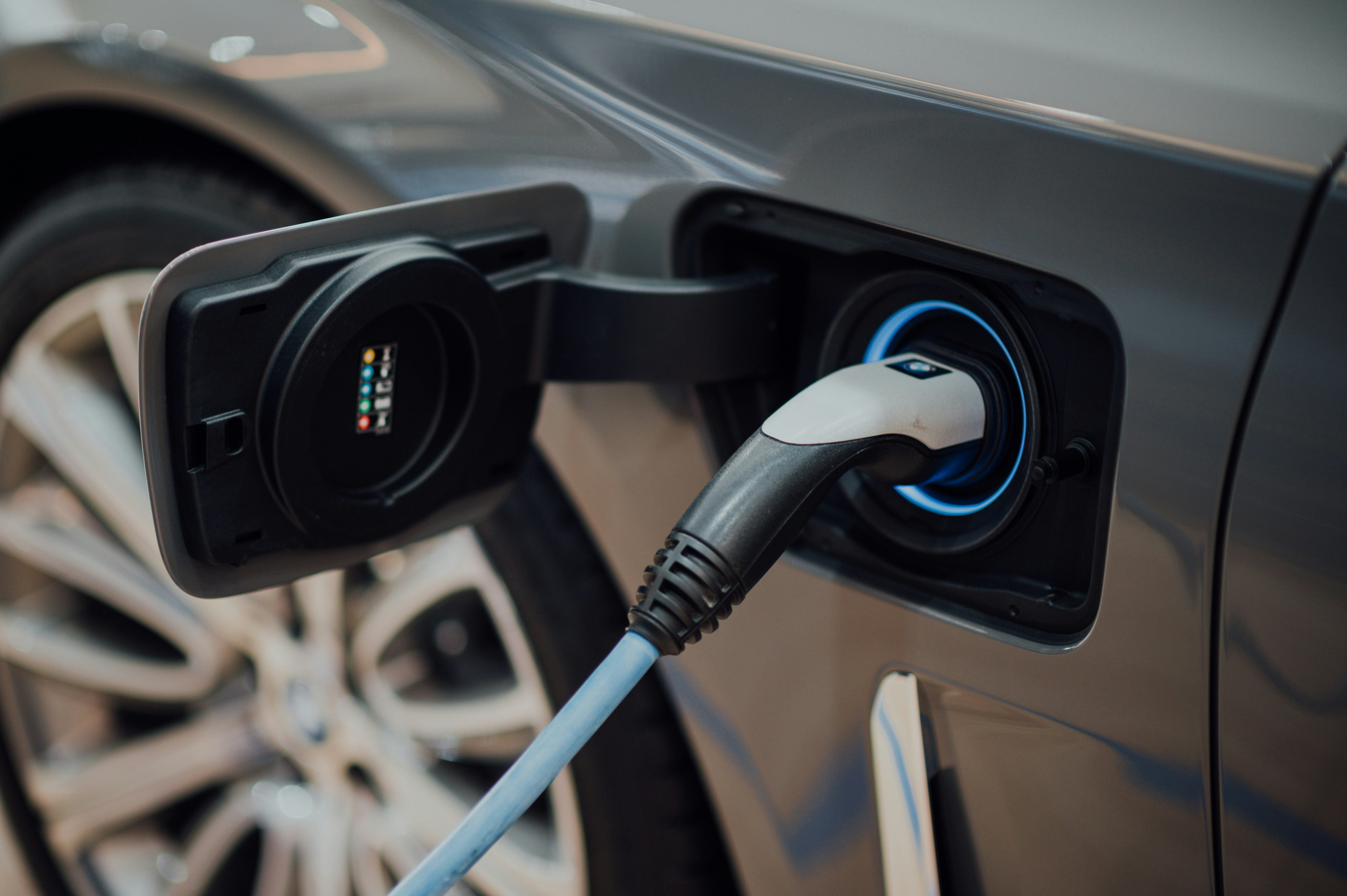
The U.S. Energy Information Administration Gasoline is predicting gasoline prices will remain high through next year, averaging about $3.60 a gallon. There are a lot of used Electric Vehicles (EVs) coming onto the market that were leased for one or two years prior to the expiration of the federal tax credit. EVs depreciate a lot in the first couple of years, so the average cost of a used EV is only $579 more than the equivalent gasoline powered vehicle. My son just purchased a 2025 EV for half the original list price.
EVs have lower operating costs than gasoline vehicles. The Electric Vehicle Association found the fuel and maintenance costs of driving an EV 15,000 miles were $1,396 less than for a gasoline vehicle. The savings are highest when you can charge the EV at home or at a low-cost charging station, and are less if you need to use a fast-charging station.
There are three types of EV chargers: Level 1 plug into a standard house outlet; Level 2 use 240 volts and either plug into an outlet or are hard-wired; Level 3 use 480 volts and are only available commercially. The rate of charge (miles of range added per hour of charge) depends upon the vehicle fuel economy and charger level. A small EV will typically add 5 miles of range per hour on a Level 1 charger, 30+ miles on a Level 2, and 600+ miles on a Level 3. The range added for a mid-size EV is 4, 24+ and 480+ for Level 1/2/3. The range added for a full-size EV is 3, 18+ and 360+ for Level 1/2/3. Most EVs now come with a charger that has a changeable input power plug allowing it to switch between Levels 1 and 2.
So, if you’re tired of the high costs of filling up, consider buying an EV. Even if you can only use a Level 1 charger, you can add 36-60 miles of range if you charge overnight, which will probably be enough for most drivers.
***
Bruce Saller is a retired systems engineer with degrees in electrical engineering and computer science.