By Phil Huber, ADVANCE COLUMNIST
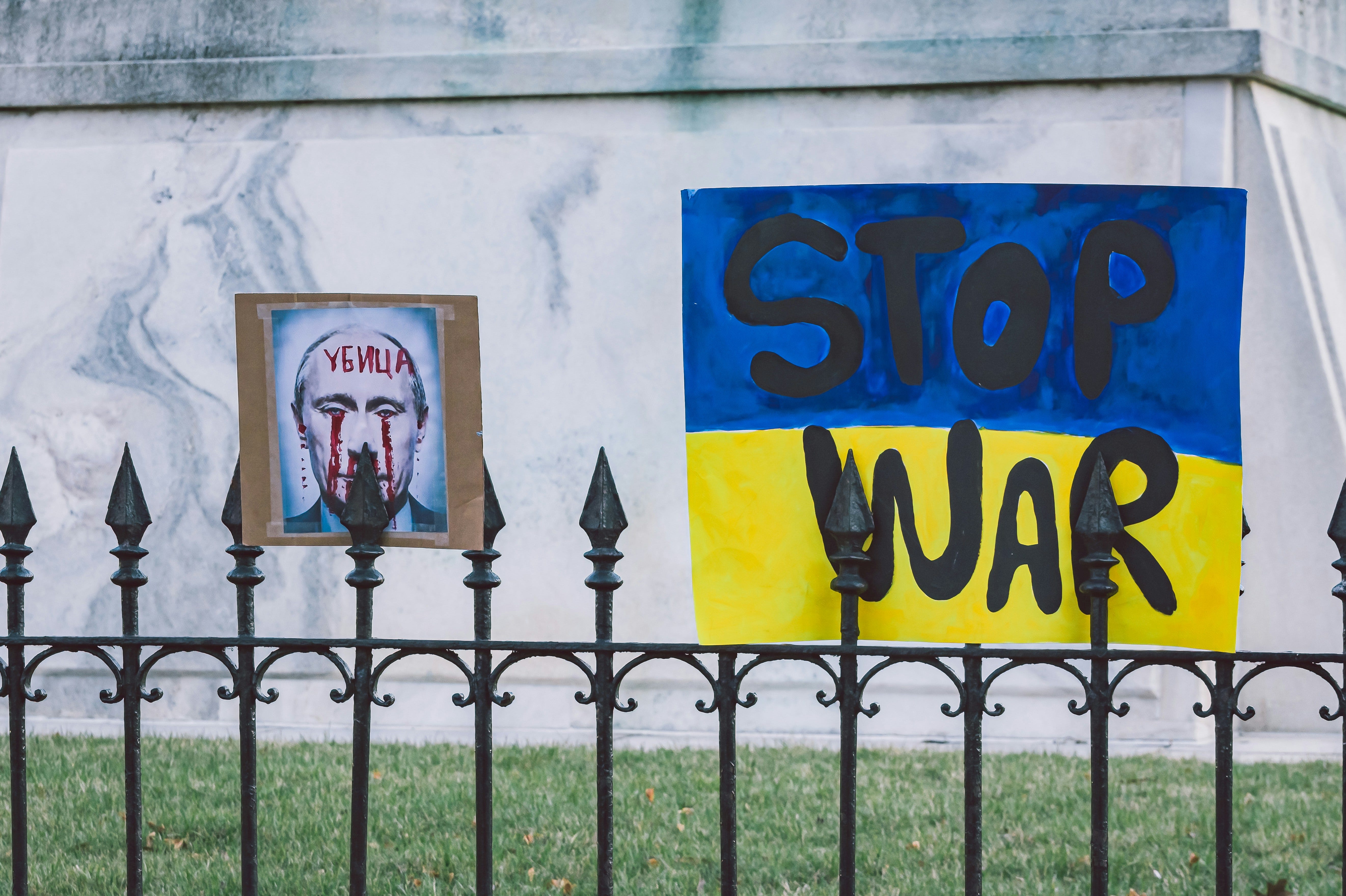
Ukraine does not need another announcement that peace is close. It needs a peace it can survive.
My military and intelligence service, reinforced by national-security studies at the Industrial College of the Armed Forces, taught me to ask what evidence supports a policy, whether our instruments of power serve a common purpose and what happens when our assumptions prove wrong.
What frustrates me now is our apparent failure to apply those lessons.
We should know the difference between an adversary’s promises and a change in his intentions. Yet I worry that the desire to announce a deal has overtaken the discipline needed to secure peace.
Is intelligence shaping these negotiations—or is the preferred deal shaping what our leaders are willing to hear?
I want to know how intelligence assessments are assessing the administration’s optimism. What evidence suggests Russia is prepared to compromise, and what evidence would cause Washington to reconsider its approach?
Why Fredericksburg should care
National security is not abstract in our region. Our military families, veterans, federal employees, and defense contractors connect this community to Washington’s decisions. They have a stake in whether those decisions reduce danger or merely postpone it.
Every resident has a stake as a taxpayer and voter. We deserve a coherent strategy, whether Washington proposes continued assistance or a settlement advertised as peace.
Those connections do not dictate what our policy should be. They give us reason to demand that it be thought through—before military families, public servants and taxpayers are asked to carry its consequences.
National-security planners still use DIME—diplomatic, informational, military, and economic power to describe the principal instruments of national power. The essential lesson is that those instruments must work together toward a common objective.
Our purpose should be clear: make Russian aggression less rewarding, not Ukrainian resistance less sustainable.
What has Russia conceded?
Trump deserves credit for reopening direct negotiations with Moscow. Zelensky described the first day as constructive, with discussions of prisoners, humanitarian issues and security guarantees. Those subjects matter. But productive discussion is not yet evidence that Russia has changed its central demands.
Russia’s central demands have shown remarkable continuity. In June 2025, Moscow demanded territorial concessions, Ukrainian neutrality, and military restrictions. In June 2026, the Kremlin explicitly said its position had not changed from Putin’s 2024 terms. As talks resumed, Reuters reported no public indication that Putin had abandoned his demand for all of Donbas.
Washington’s position has changed more visibly.
Reuters described Trump’s early priorities as ending the war quickly, improving relations with Russia and recovering American expenditures. His confrontation with President Volodymyr Zelensky exposed his leverage: Ukraine depended on American support and, Trump said, did not “have the cards.”
In October, Trump defended blocking several new Russian sanctions before they took effect as necessary to keep Moscow negotiating, while accusing Zelensky of not wanting to end the war.
Russia receives incentives to keep talking. Ukraine faces pressure to concede.
That is an uneven bargain, not evidence of a coherent strategy.
Diplomacy requires more than a deal
My objection is not simply that businessmen occupy the negotiating chairs. It is whether the process draws on professional diplomacy, intelligence analysis, military planning, and economic leverage.
Diplomacy means defining objectives, coordinating allies, testing proposals, and preparing for failure as well as success. Intelligence should challenge that work, not merely reassure those directing it.
What does Russia intend? What would change its calculations? What evidence would prove our assessment wrong?
A signature cannot answer those questions. Nor can presidential confidence.
Europe has led before
Europe has tried leading before. France and Germany helped broker the 2014 and 2015 Minsk agreements to stop fighting in eastern Ukraine. But ceasefires were repeatedly violated, and disputes over security and political concessions left major provisions unfulfilled. Those efforts did not produce lasting peace.
The lesson is not that European diplomacy cannot work. It is that changing the people at the table is insufficient. Any new agreement needs clear obligations, effective monitoring, and a credible response to violations. Otherwise, we risk repeating the process while expecting a different result.
Britain and France are already leading a coalition developing arrangements to support a future peace, with proposed American backing. That effort needs a full negotiating role and commitments that can be executed.
Europe’s financial role strengthens its claim. The Kiel Institute identifies Europe as Ukraine’s largest military-aid donor while emphasizing continued reliance on American weapons. Kiel’s August update found that European donors procured at least €3 billion—roughly $3.4 billion at November exchange rates—in military assistance from American companies during the first half of 2026.
Europe cannot immediately replace every American capability. Supporting European leadership therefore means neither excluding Washington nor abandoning Ukraine.
Responsibility should bring authority
Trump’s own defense strategy calls for greater European responsibility while America prioritizes homeland defense and deterring China. If Europeans must shoulder more of the burden, they should exercise more authority over the diplomacy.
But responsibility is not a license for great powers to divide smaller countries among themselves. Europe is not Russia’s to manage. Ukraine is not Washington’s to trade.
Kyiv should establish a common position with its European supporters and remain at the table while demanding reciprocity. Every proposal should specify what each side does, who verifies compliance and what follows a violation.
Sanctions relief should reward verified conduct, not attendance. Essential defensive support should remain dependable. Stopping the shooting must not require restrictions that invite another invasion.
Congress offers an opening, not a rescue. Democrats won both chambers, but the new Congress convenes January 3. Trump retains substantial foreign-policy authority and his veto. Ukraine needs durable, bipartisan support—not another dependence on American election results.
Our representatives should answer: What must Russia concede? What happens if negotiations fail? Who responds if an agreement is violated?
Use diplomacy, but give it leverage. Use intelligence but let it challenge the desired outcome. Make commitments but establish how they will be kept.
Ukraine should not surrender its future so an American president can announce that he closed a deal.
***
Phil Huber is a retired Army Reserve colonel and former federal civil servant who writes about civic education, public accountability and national security. He lives in Fredericksburg.