
By Hank Silverberg
ADVANCE CORRESPONDENT
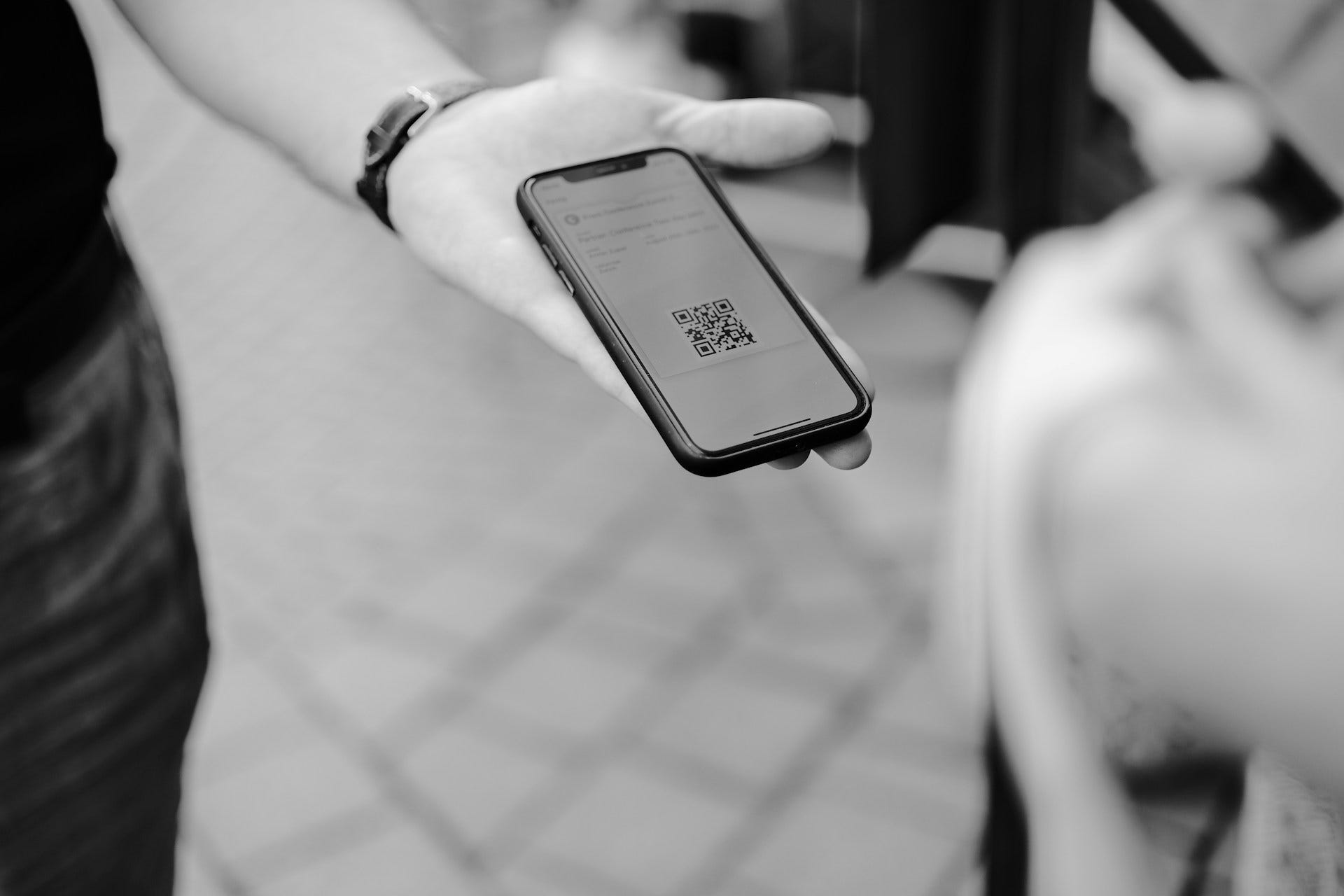
The World Cup soccer matches going on across North America have brought on a new scam aimed at FIFA fans.
The FBI says the fraud began just before the World Cup tournament started this month. Someone is creating websites that have the look and feel of the official legitimate website for Federation International Football Association (FIFA).
It appears to be not only selling fake tickets to the soccer matches across the country but also hospitality products.
If you login, they will collect your personal information and attempt to gain access to your credit or bank accounts.
The sites look similar to FIFA’s official site .
The FBI alert says if you are interested in products or tickets for the World Cup matches, make sure you go directly to the official website. Avoid using a search engine that will navigate you to sponsored results which are often paid imitators of the legitimate site.
Clicking on advertisements can also lead you to a fake site. The average price of tickets to one of the matches can be anywhere from $140 to $1,410, with tickets to the World Cup finals going for as much as $10,000.
Meanwhile, in Virginia over the last few months, local police have been warning the public about an old scam that has returned. People receive a phone call telling them have missed jury duty, and they must pay a fine now or be arrested. The caller then tells them to send the money via a single-use debit card or face possible jail time.
Police say the system doesn’t work that way. If you missed jury duty, you would be sent an official notice in the mail with details on what to do correct the error.
Another scam that has showed up locally is much more sophisticated. Kevin Leary, a local Cybersecurity Consultant, calls it a “PayPal Bitcoin” invoice scam.
You receive an email or letter with an official-looking logo, such PayPal, stating that a massive Bitcoin transaction has been completed in your name, and if you didn’t authorize the transaction then call the attached number immediately.
If you panic and call the number, the “customer rep” at the other end of the line then tries to convince you to download software giving them remote access to your desktop.
Of course, that’s when the scammers can steal passwords, alter settings, lock you out, taking over your computer, and steal financial information you have on it. Leary says the answer is simple: Don’t ever give anyone remote access to your computer.
If you fall victim to the scam, immediately disconnect from the internet and notify your banks to freeze accounts.
According to the FBI, Americans in 2025 lost nearly $893 million to more than 22,364 scams tied to Artificial Intelligence. The Federal Trade Commission reports that imposter scams cost the public more than $3.5 billion last year.
If you’ve fallen victim to a scam, or been approached by a scammer either on-line or in person, you can report it at the FBI’s Fraud Center.