
By Phil Huber, ADVANCE COLUMNIST
We used to send a canary into the mine to warn us when the air turned deadly. Today, the Trump administration wants us to pretend that suffocating the life around us is no longer “harm” at all.
At stake is one word in one law: harm, in the Endangered Species Act. For decades, that word has included significant habitat modification or degradation that kills or injures wildlife—destroying nesting grounds, salting spawning beds, paving migration routes. Scientists and the Supreme Court alike have treated that definition as the heart of how the law works.
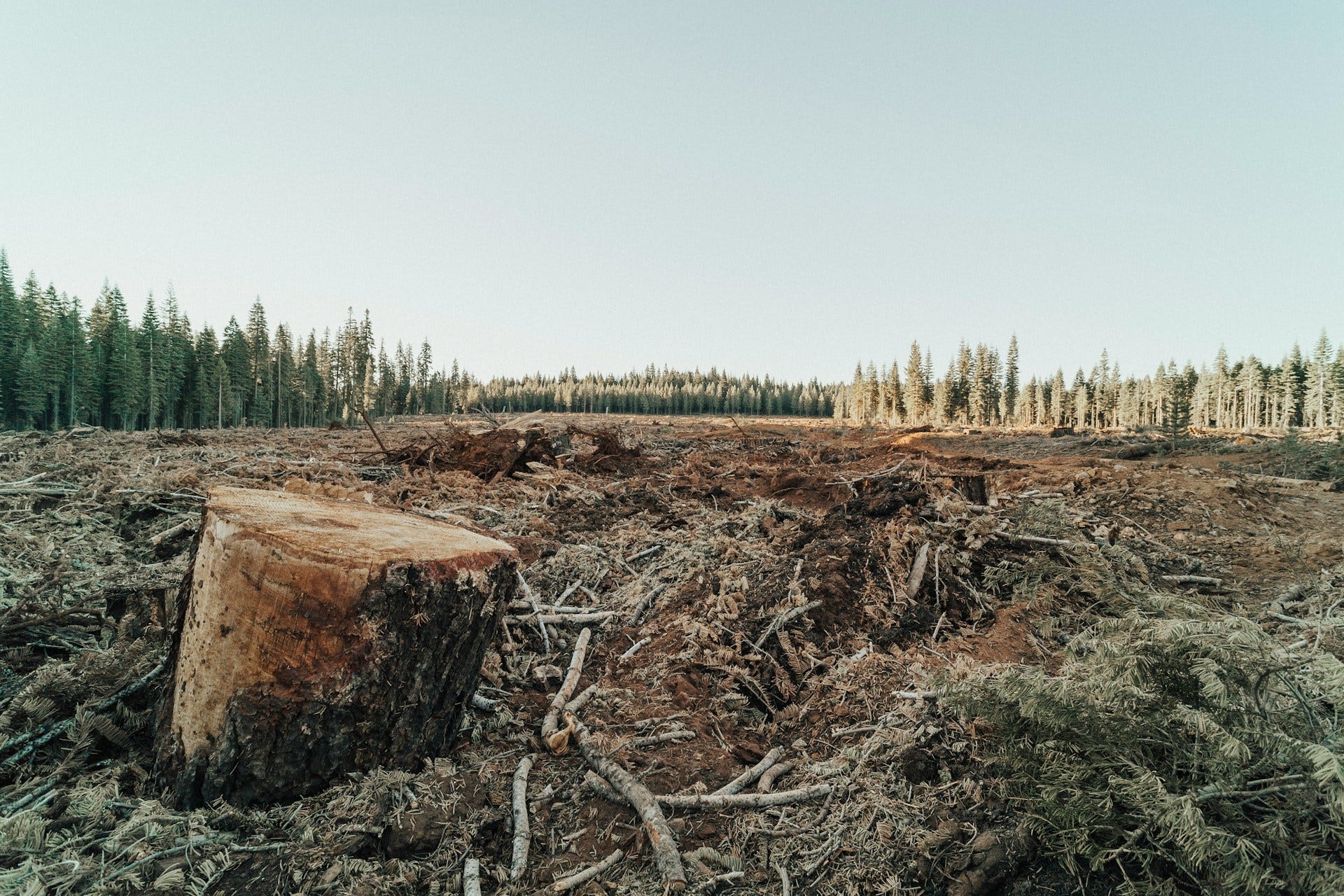
Now Trump’s Interior Department would remove habitat from the idea of harm. Under the new rule, you are only “harming” a species if you directly kill or injure an animal—pulling a trigger, setting a trap, poisoning a nest. Bulldozing the forest it feeds in or draining the wetland it breeds in would no longer count.
That is not a technical tweak. It is a death sentence by slow strangulation for species that depend on intact land, water and air to survive.
In Virginia, our rivers, wetlands and forests are full of species that live or die by habitat. Sturgeon spawn in tidal rivers, mussels filter our water, bats hunt over the Rappahannock, and bog turtles and salamanders depend on wetlands that disappear one culvert and one subdivision at a time.
None of these creatures are mainly threatened by people walking out with rifles. They are threatened by a thousand cuts to their habitat—channelization, clear-cuts, floodplain development, wetland fill, road building and nutrient-laden runoff.
Trump’s revised regulation tells agencies they may ignore those thousand cuts. If habitat destruction is not harm, then logging, mining, drilling and sprawl get a free pass so long as officials can say, “We didn’t shoot anything.”
What comes next?
First, the eagles. The bald eagle only rebounded because we confronted not just direct killing, but pesticides, pollution and habitat loss. Under the new rule, we would have to sit on our hands while the places eagles and other raptors need are carved up, so long as nobody is seen pulling a trigger.
Then, the big game. Game hunters like the Trumps imagine an endless supply of trophies. But elk, deer, moose and the predators that follow them all depend on large, connected landscapes for migration and breeding. Fragment those landscapes, and herds dwindle. Outfitters, guides and rural businesses that rely on hunting and wildlife tourism will find themselves chasing ghosts.
The military understands this better than most politicians do. Around bases and bombing ranges, conservation easements prevent sprawl from choking off training. Many of those buffer lands also protect endangered species, proving that the base and the species can benefit together. Is sprawl now around the corner?
Finally, people. When enough species are gone—pollinators, fish, forest cover, wetland buffers—the ecosystems we take for granted start to fail. Crops lose their pollination. Rivers lose their natural filtration. Coastal and river communities lose the wetlands that blunt floods. Climate shocks hit harder. Public health costs rise. And our beloved parks become isolated museum pieces surrounded by extraction zones instead of functioning living systems.
We become the next “endangered species” when we have cut away too many threads of the web that keep us alive.
Who benefits from destroying “harm”?
If the public, wildlife and future generations lose, who wins?
First, extractive industries treat land and water as disposable inputs: mining, oil and gas, industrial agriculture, large-scale developers and timber interests. Removing habitat from “harm” gives them a cleaner legal path to bulldoze, clear-cut and pave over critical habitat without triggering Endangered Species Act review or mitigation. This is deregulation in its purest form—erasing the word that would otherwise apply the brakes.
Second, ideologues committed to dismantling environmental safeguards. For decades, they have targeted the Endangered Species Act precisely because it forces government to acknowledge ecological limits. Weakening harm advances a broader agenda: replacing science-based stewardship with short-term profit and culture-war resentment at anything labeled “diversity.”
Third, political patrons and donors who profit when public resources are opened to private exploitation. When habitat no longer counts as harm, sweetheart permits and destructive projects get easier to justify. The winners are those who see living landscapes as inventory to be liquidated.
What we can do
The comment period is over. The danger is not. Conservationists, scientists and park advocates have already put the case on the record: removing habitat from “harm” is bad science, bad law and bad public policy.
Now comes the harder part—supporting the groups that will keep fighting when the headlines move on. In Virginia, that means standing with the Virginia Natural Heritage Program, its Natural Area Preserves and the Virginia Conservation Network’s statewide coalition for rivers, forests and wetlands.
Nationally, groups like Defenders of Wildlife and the Coalition to Protect America’s National Parks are carrying this fight forward. They will need money, attention and political support, because the people trying to erase “harm” are counting on the rest of us to look away.
A law meant to prevent extinction cannot pretend that destroying habitat is harmless. If we accept that lie, the canary is down, the eagle is next, and the endangered species will be us.
***
Phil Huber is a retired Army Reserve colonel, a federal civil servant, and a retired consultant who writes on civic education. He lives in Fredericksburg.

Excellent analysis. Thanks.
Vote, protest and write words that are truthful. These are things we can do. Silence and inaction only serve to enable evil. And that’s really what we are dealing with here. Evil.
This essay is another strong rendition about the truth. Thank you for doing your part.
The ignorance, arrogance, dissonance, dishonesty and entitlement of Trump and his ilk is something that we, our kids and our grandchildren will be harmed by for many years.
If anyone really thinks environmental issues are bogus, that free enterprise/development run amok is the American way, and that it makes america great again; or that climate change is a hoax, please go outside today and do some really deep breathing. Please do! Hey, take off that mask!