
By Phil Huber, ADVANCE COLUMNIST
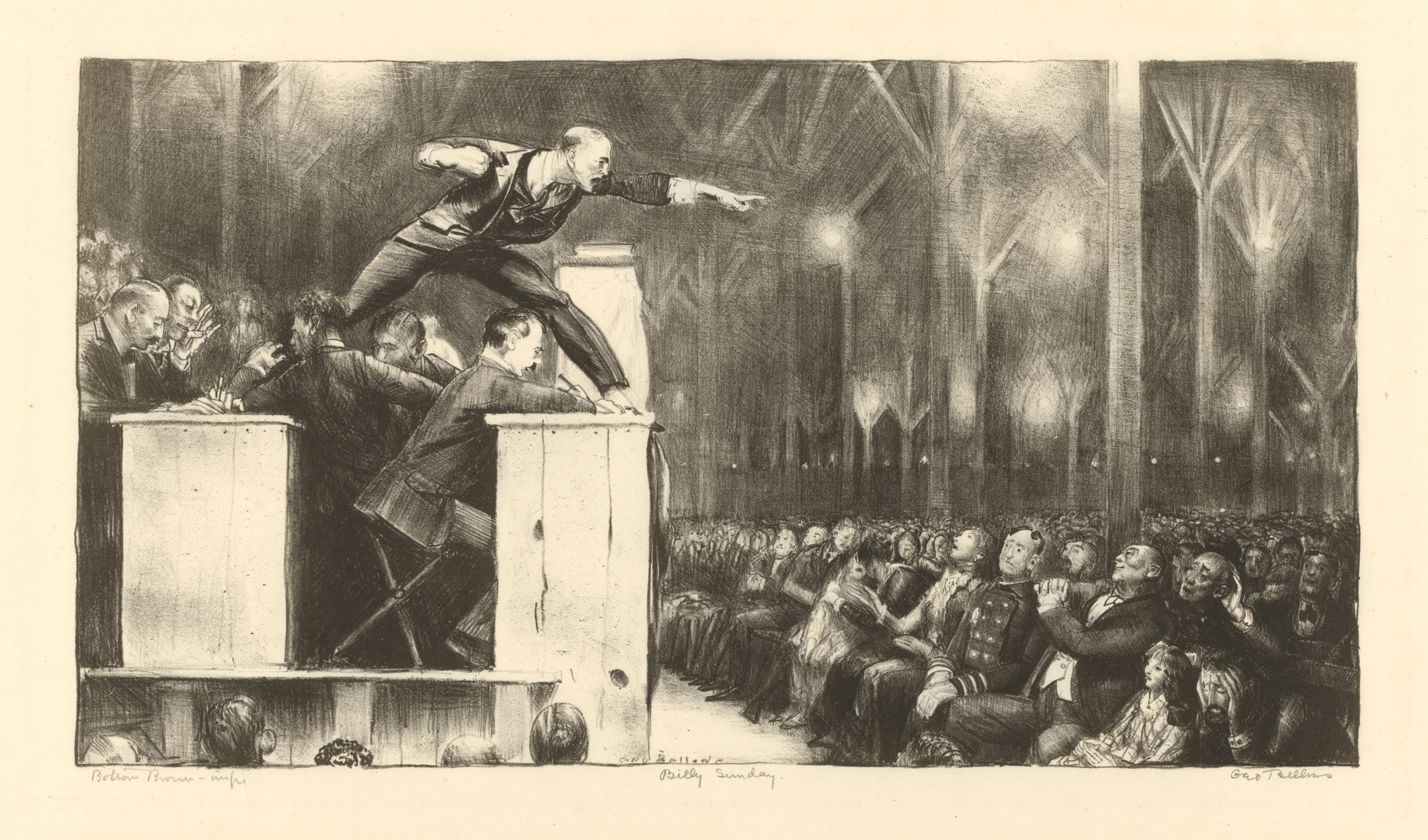
A politician promises to protect the faithful. A religious leader tells the faithful to support the politician.
Both may believe they are serving a worthy cause. But the arrangement raises a question: When they need each other’s support, who holds either one accountable?
Religion rides government, and government rides religion. It is a useful image—not because every relationship between faith and politics is corrupt, but because it asks us to notice who is steering and who is being carried along.
In my previous column, I explored what different understandings of heaven and hell might tell us about our obligations in this world. This question follows: What happens when those charged with teaching moral responsibility become partners with those entrusted with political power?
The problem is not that religious people vote, organize or advocate. They have the same rights as everyone else. Nor should public officials be expected to leave their consciences at the office door.
The problem begins when cooperation becomes a bargain that places loyalty above accountability.
Consider what each side can offer.
Religious leaders can lend politicians the trust they have earned through years of counseling families, comforting the grieving and teaching right from wrong. An endorsement from such a leader may carry weight beyond an ordinary campaign advertisement.
Politicians can offer access, appointments, favorable policies and promises of protection.
Those exchanges deserve scrutiny. What is promised? Who benefits? What happens when keeping the alliance requires overlooking behavior that would otherwise be condemned?
The debate over endorsements from the pulpit makes these questions especially timely.
In July 2025, the IRS supported a proposed settlement that would treat certain communications about electoral politics within a congregation, viewed through religious faith, as outside the federal prohibition on campaign intervention. A judge rejected that settlement in March 2026 on jurisdictional grounds, leaving the Johnson Amendment in place. The IRS’s published guidance continues to prohibit endorsements on behalf of tax-exempt charitable organizations, including churches.
But legal permission and moral wisdom are different questions.
Even if an endorsement carries little practical risk of enforcement, should a congregation’s spiritual authority be placed behind a candidate? What happens to members whose consciences lead them elsewhere?
Do they remain fellow believers with different political judgments—or become suspect members of their own religious community?
Now turn the relationship around.
A politician may sincerely defend religious freedom. But a promise to protect religion should not purchase immunity from religious criticism.
If dishonesty is wrong, does it become acceptable when the liar appoints judges we favor? If cruelty violates our beliefs, does it become necessary toughness when practiced by our political protector?
That is where politics can begin changing religion, rather than religion changing politics.
The standard shifts from “Is this conduct, right?” to “Does this person help our side win?”
A religious leader need not agree with every policy or personal choice of a candidate. Political decisions involve imperfect alternatives. But acknowledging a compromise is different from declaring the compromised conduct virtuous.
Defend a policy if it merits defending. Do not redefine honesty or compassion to protect the person delivering it.
Government faces a corresponding danger when religious allegiance becomes a test of belonging.
Public officials serve people of many faiths and people of none. Protecting religious freedom means protecting the freedom of those who reject the majority’s beliefs, not merely reassuring the majority that it remains influential.
The First Amendment addresses both sides: Government may not establish religion, and it may not prohibit its free exercise. Neither protection requires religious citizens to remain silent. Neither entitles one religious interpretation to govern everyone else.
Here is a practical test: Would we accept the same arrangement if another faith controlled it?
Would we welcome government-backed religious instruction if the instruction contradicted our beliefs? Would we trust a politician’s claim to divine approval if that politician opposed everything we supported?
If our answer changes with the identity of the beneficiary, we are defending an advantage, not a principle.
This argument is not a demand that religion withdraw from public life. It is an argument for preserving its independence within public life.
A religious community should be free to challenge any administration. An elected official should defend every citizen’s rights without requiring a religious endorsement in return.
Citizens can help preserve that distinction.
Ask candidates whether they will protect the religious freedom of people who disagree with them. Ask religious leaders whether they will condemn wrongdoing by politicians they support. Apply those questions to your own allies first.
Religion can offer government a conscience. Government can protect the freedom to follow one.
But when either becomes the other’s shield against accountability, both lose their way.
***
Phil Huber is a retired Army Reserve colonel and former federal civil servant who writes about civic education, public accountability and national security. He lives in Fredericksburg.

It would be useful to address specific policies where religion and politics interact, such as federal funding for Catholic pre-schools that reject children with same sex parents.