
By Lynda Allen, ADVANCE COLUMNIST
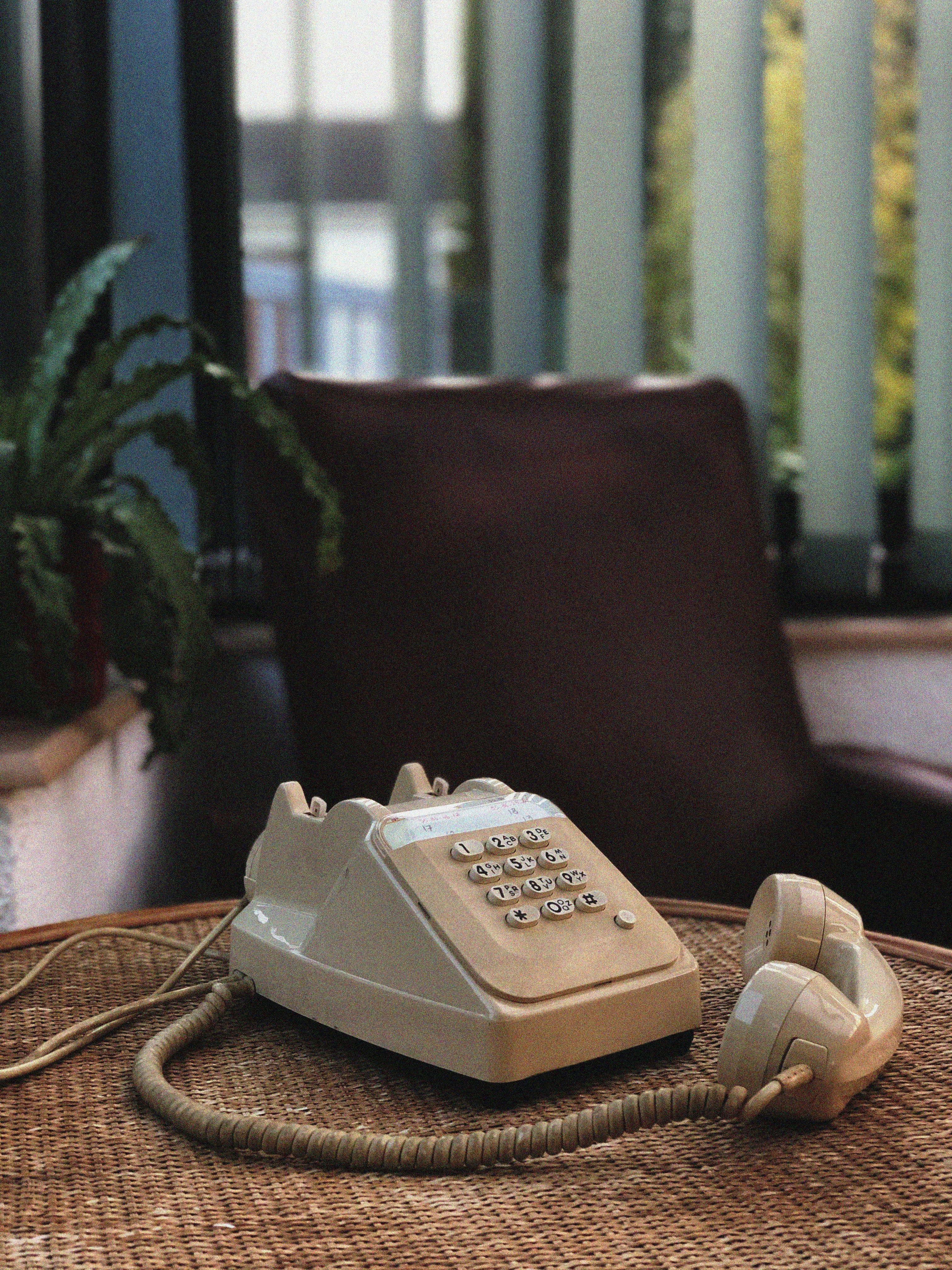
The phone rings. The screen shows Mom is calling. I’m not proud of it, but internally I cringe, maybe even externally too. It’s not that my Mom and I have a bad relationship, though like any parent and child, we’ve had our tough times. It’s that Mom has started experiencing some form of dementia. She often has strange ideas about where she is, and is now having nearly daily delusions. One day she called to tell me that she was in prison somewhere in Virginia, even though she lives in Pennsylvania. I asked her what it looked like, and she told me it was a red brick building on a college campus, where the students live. So, she was apparently in a prison in a dorm room.
She is certain that what she’s witnessing is real. My siblings and I have learned there’s no point in contradicting what she says is happening. That only leads to frustration and anger on her part, and often causes her to hang up on us.
Now, I just involuntarily flinch at the sight of her name on the phone. That reaction is accompanied by a variety of emotions. The cycle goes something like this, first, I tense up, then I worry about where she will think she is today. I remind myself to take a deep breath and remember that none of this is her fault. I tell myself to focus on being present with her. But it’s that first heart-stopping moment when I see her name that’s so hard, as it simultaneously brings to the surface stress, tiredness, grief, guilt, sadness, love, and a plea for grace to move through me. So many mixed emotions, it’s a wonder I even answer the phone. It’s not that I don’t want to talk to her, or help her through whatever imagined crisis she’s having. It’s that the sadness at what’s coming after I say hello can feel overwhelming.
Listening to the fear in her voice and knowing there’s not much I can do to help her get past it, is heartbreaking. The most I can do sometimes is calm her a little, and assure her I will see what I can do about whatever the problem is. But ending the call knowing I essentially lied to my mother is not a good feeling. I also wonder if she’s then sitting there in her skilled nursing facility awaiting the solution I told her I would try to find. Based on her lack of follow-up about the issues, I think it’s safe to assume she isn’t sitting there waiting for the cavalry to arrive. Yet, there’s that little voice in my head that keeps wondering if she is.
One of the hardest parts of the current situation for my siblings and me is the lack of information we have. It’s difficult to make decisions about Mom’s care when we don’t know what has caused the downturn in her health. As our medical system would have it, when her cognitive abilities took a turn for the worse a couple of months ago, we couldn’t get an appointment with a neurologist until late-September. If it’s not life-threatening, the system sees no urgency. It doesn’t account for anxiety, and the loss of peace of mind, for the patient and their support system. Even so, when we do finally get Mom to the neurologist, it will be more of an intake appointment than a diagnostic exam. No doubt they will order tests to try to determine what’s driving Mom’s dementia.
The problem then will be getting her to the subsequent appointments. Mom gets around in a wheelchair ,and requires a lift to get her in and out of the chair. So, we can’t transport her to appointments in a car. We have to schedule a vehicle with a wheelchair lift. Only one of us lives in the same general area as Mom, and she works full time. So, coordinating the logistics of multiple tests seems impossible, and can be a barrier to getting the care Mom needs in a timely manner. Sadly, we are far from the only family dealing with these issues.
I know we are lucky in so many ways. though. First and foremost, we’re lucky because my siblings and I are all on the same page about getting Mom the medical care she needs, and doing all we can to help. But as it is with many families, the bulk of that assistance, and much of the stress of it, falls on the sibling who lives the closest. Finding a balance among the six of us in offering the support Mom needs is a challenge. We’re lucky that the staff at the skilled nursing facility are kind, caring, and patient. We’re incredibly lucky that Mom and Dad (who passed three years ago) had enough savings to cover their medical, living, and support expenses. I don’t know what we would have done otherwise, and I can’t imagine the pain families face when they can’t afford the care their loved ones deserve. Skilled nursing care is unbelievably expensive.
Yet, no matter how fortunate we are in some ways, it’s still an emotional roller coaster to watch Mom decline. Her physical strength had already been deteriorating, but until early last year, she had been living fairly independently in an apartment in a senior living community. Then she had a fall that fractured her hip. She went to the skilled nursing facility after surgery to recover and do rehab. Things started out OK, but we soon learned she wouldn’t do her physical therapy. It was amazing how quickly her physical capabilities went downhill after that, and how soon she reached a point where she could no longer take care of herself and became dependent on a wheelchair.
It’s been a long year and a half since then, and there have been ups along with the downs. We were still able to get her to my daughter’s wedding in June, and she will attend another grandchild’s wedding in September. I know the days between now and then will include phone calls that make me cringe, and feel guilty for that reaction. I know they will hold conversations that leave me nostalgic for the joyful conversations Mom and I used to be able to have.
But there will also be days when I’m grateful for the lucid moments I still get to share with Mom. There is also hope that her visit to the neurologist and subsequent treatments will help at least reduce her confusion and ease her fears. In the meantime, I will continue to sit with the range of emotions this time in our lives inevitably brings. and will continue to lean on my siblings and friends for commiseration and support.
Most importantly, I will do my best to offer as much love as I can when the phone rings and my gut reaction to it fades.

***
Lynda Allen writes the Liv Wilde Mysteries in which menopause is a superpower. Since she had to put up with hot flashes, she figured she might as well make them useful. She proudly infuses her writing with her Jersey Girl sensibilities, and aims to create stories imbued with heart and humor. You can find out more about her work HERE.

Thanks for sharing this glimpse into the hard stuff you and your family are experiencing, Lynda. Your words will surely help others going through similar things feel less alone.
.
Clear-eyes, honest, and beautifully written look at the issues so many families face. Thank you for writing it.