
By Donnie Johnston, ADVANCE COLUMNIST
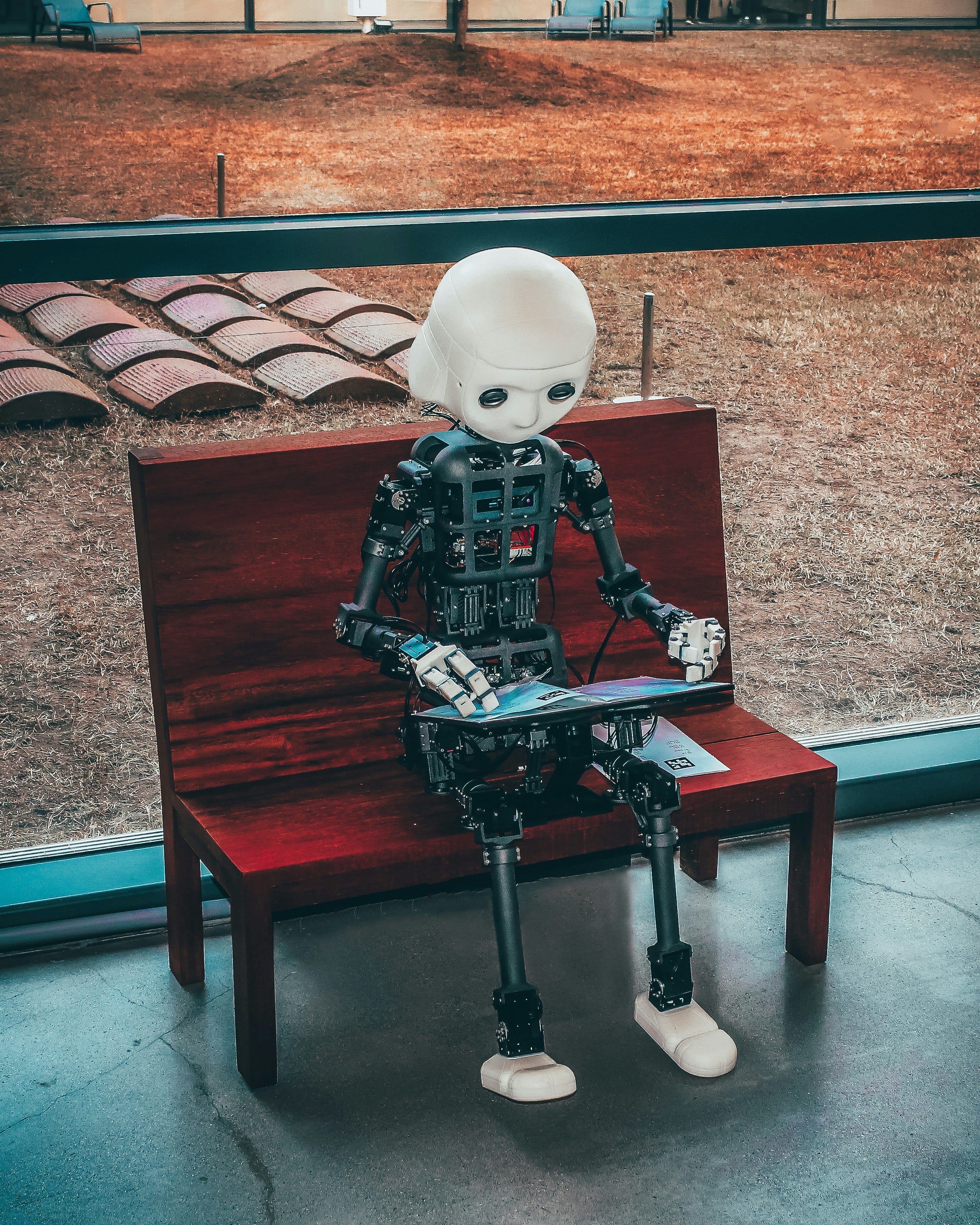
Will artificial intelligence live up to its billing?
AI. That’s all you hear these days. It is what supposedly will rule our future economy.
On Wall Street, AI is the latest strategy to send Stock Market prices into the stratosphere and make us all rich. On Main Street, it is the evil that is fueling the incessant rise of data centers in every neighborhood.
President Donald Trump uses AI to create cute little cartoons that he uses to promote his direct connection to God, and Trump’s critics create their own little AI cartoons in an attempt to make him the laughingstock of the entire world.
Cartoons. That’s how the average American sees AI, cute little caricatures of themselves, their friends and the politicians they don’t like.
Of course, AI is much more than artistic renderings. It is Flock cameras that track our every move and spy satellites that keep our enemies—those without and those within—under constant surveillance.
AI is also part of the American killing machine, the technology that pinpoints the people we want to eliminate and the buildings and bridges we bomb. Of course, it is not yet perfect, as 146 little Iranian girls found out. But we are getting there.
One thing AI is teaching us is not to trust anything we see on social media. You watch a familiar figure, a respected man or woman, giving a speech and you are caught up in his or her words.
But is that really the person you think it is, or an AI-generated version of a familiar face spouting propaganda to confuse you? It is happening more and more. Dead people giving lectures and making political speeches. And the average person thinks it’s real.
Yes, our international enemies can easily use AI generations to provide false information, but our own politicians can use these human likenesses to destroy their opponents and further divide the voting public.
But the powers-that-be assure us that AI’s ultimate benefits will far out-weigh the problems it creates, that it will take all the worries and responsibilities off human shoulders and create a life of leisure for all of us.
Yeah. Right. Fifty years ago they predicted that by 2025 everyone would be flying helicopters to work and taking vacations on the moon. Well, so far it hasn’t happened.
But if AI does all the things it is predicted to do, how will we afford that life of leisure? If AI is doing all the work, the unemployment rate for humans is going to skyrocket. That’s just common sense.
Look at automated factories. Robots have put tens of thousands out of work. AI could do for the service sector what automations has done for manufacturing—put humans out of work.
In one respect, that’s good. Computers don’t get salaries, take off sick, or demand vacations. On the other hand, they don’t pay income taxes or pay into Social Security, which is predicated on today’s workers filling the coffers for those getting benefits.
Then there are the legal, ethical and moral problems that still must be faced. For instance, no one has yet been able to explain who will face charges when a driverless car causes an accident that kills another driver or a pedestrian. You can’t take a machine to court, make it pay a fine, or put it in jail.
The worst punishment, I suppose, would be to unplug it or remove its battery. And you can’t sue a computer for civil damages.
But moral AI questions are even more fundamentally concerning. We already have churches that have no live preachers, where the sermon comes from a face on the screen. It may not be long until that preacher up there is not a real person, but an AI-generated form that interprets the Bible in a manner only a machine without a soul could. And that AI-generated person could change religion with its words and beliefs.
Teachers. We already have kids learning from computers and tablets, so why do we need real human beings as teachers. AI robots may soon rule the classroom. Human teachers, which are getting harder and harder to find, may soon be obsolete. And those who think some teachers indoctrinate our children in bad ways have no idea what an AI teacher might do.
AI teachers would cut local taxes because they don’t demand salaries.
And driverless buses could solve the bus driver problem.
Yes, there’s a lot to be sorted out in this artificial intelligence movement, and data centers may be the least of our problems.
Just wait until you vote in a politician only to find out that the “person” you elected is really an AI generated robot.
That’s an absolute possibility.

Leave it to Donnie to shine a light of common sense.