
By Donnie Johnston
ADVANCE COLUMNIST
Today let’s talk about Major League Baseball’s recently implemented Automated Ball/Strike System, better known as simply ABS. I mentioned it in an earlier column, but now that I’ve had time to study the matter, maybe I can discuss it more intelligently. Read on and we’ll see.
For those who don’t know, each team gets two challenges per game. Well, not really. As long as you win your challenge, you get another. And another. But if you lose two challenges, you’re done.
Only the batter can challenge a call for the offensive team, while either the pitcher or the catcher can challenge for the team in the field.
The big discussion so far is when to challenge. Do you challenge early in the game, or save those challenges for crucial situations in the latter innings? This further begs the question, when is the situation crucial enough to warrant a challenge?
It’s kinda like having a relief pitcher come in during the third inning with the bases loaded and nobody out. If he gets out of the jam unscathed, he may have saved the game (although he would not be credited with a save). But if he performs the same feat in the ninth inning, he does get a save.
Just when to challenge a ball or strike call has become the big question. And there seems to be no right or wrong answer, although most managers want to save those challenges for the late innings.
But then last week I watched Cincinnati’s Spencer Steer get rung up on a 3-2 pitch, and that strikeout would have ended the first inning. He challenged and won, getting a walk instead of a strikeout, which prolonged the inning. Two batters later, Tyler Stephenson hit a grand slam homer. The Reds got four runs because that strike call was overturned. Cincy eventually lost the game in extra innings, but that first inning challenge proved very important.
That’s the exception. The problem is that every batter either thinks he has a better eye than the umpire, or he doesn’t want to lose an at-bat on a close pitch, a matter of pride in the latter case. So, given the opportunity, most batters would challenge two or three calls every at-bat, which would drag the game on forever.
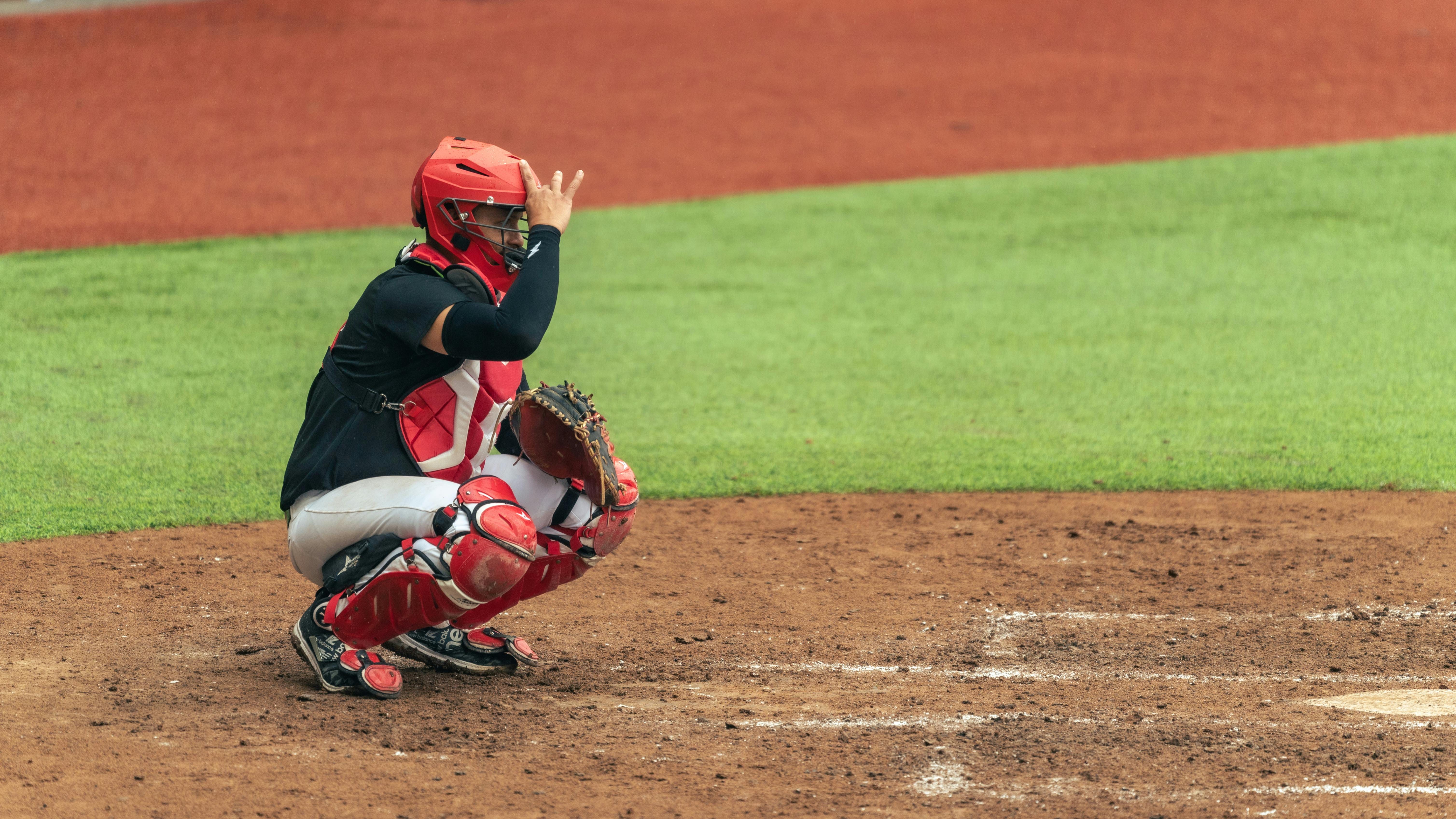
I’m sure managers have discussed the importance of choosing challenges with care, but in the heat of the moment, a batter will tap his helmet, which tells the umpire he is challenging the call.
“Why did you challenge,” the manager may ask if the call is confirmed.
“Well, it looked outside to me,” the batter will reply.
The problem is that if the batter is wrong, one challenge is down the drain.
I have no statistics to back this up, but it appears that catchers are winning more challenges than batters. Why? Because the catcher has a better view of the pitch than the batter, or even the umpire.
I have seen very few pitchers challenge a call.
And this tapping of the helmet can sometimes get a little confusing. The other night I watched the Mets’ Brett Baty inadvertently adjust his helmet after a pitch, and the umpire thought he was challenging a pitch that was clearly a strike. Baty and Manager Carlos Mendoza protested, but the inadvertent tap on the helmet cost the Mets a challenge.
The Dodgers have decided to challenge only in ultra-critical situations, and first baseman Freddy Freeman absolutely refuses to challenge a call.
When you watch an ABS challenge put up on the screen, you understand what a tough job a home-plate umpire has. The electronic system can determine whether a pitch is an eighth of an inch outside or a quarter of an inch high. No human being can do that on a consistent basis. It is just not possible.
In fact, instead of discrediting the umpires, the ABS system is proving just how good they are.
The really bad part of all this is that there are no more arguments. Famously profane former managers Bobby Cox, Billy Martin, and Earl Weaver would have nothing to live for in today’s baseball world. Arguing a call added fun to the game.
Baseball has become too civil.