
By Stephen J. Farnsworth, ADVANCE COLUMNIST
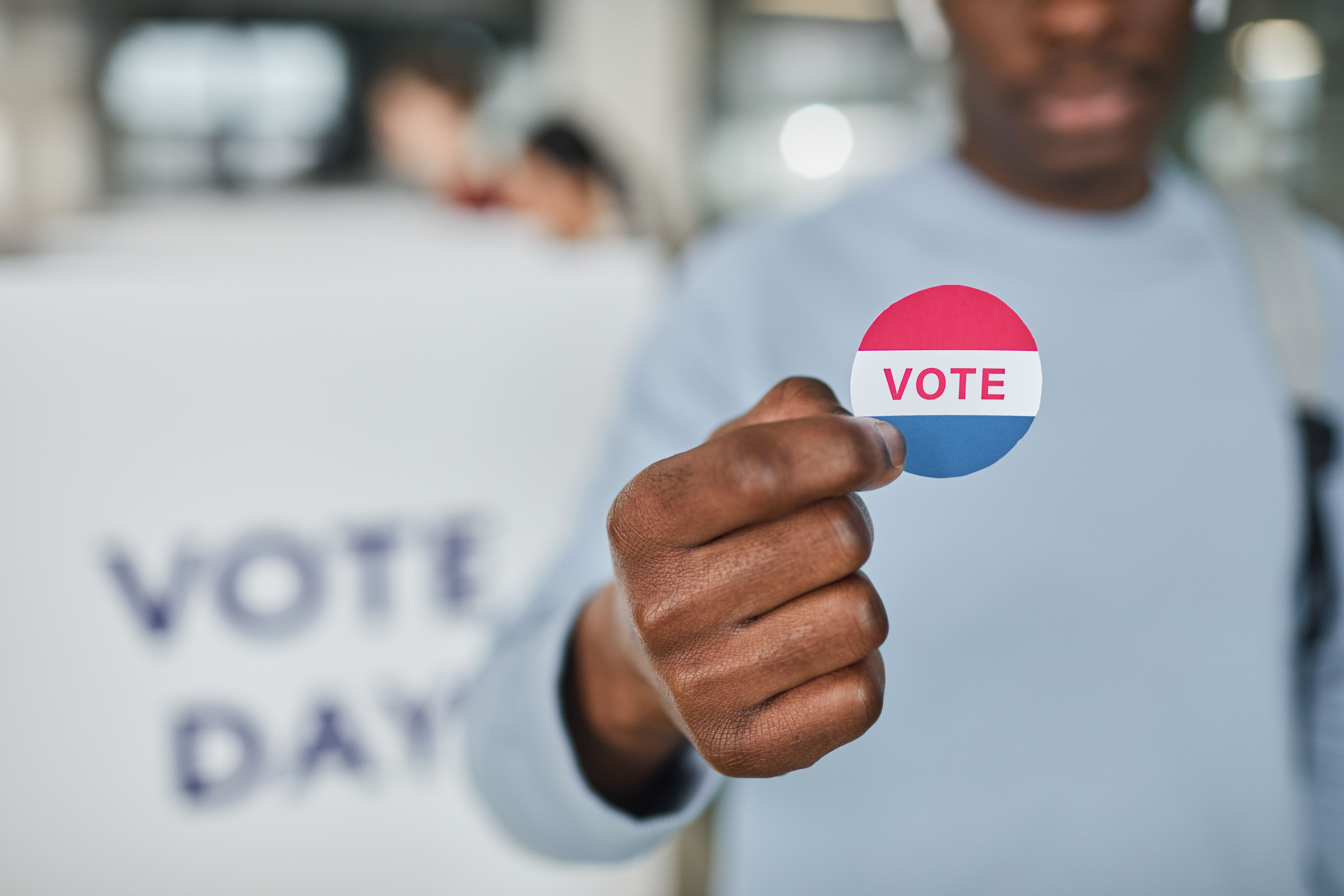
Virginia has tentatively been offered sixth place in the 2028 Democratic presidential nomination calendar: an improvement over its usual Super Tuesday location, but far less than it deserves. Virginia should be first in line.
Why should Virginia move ahead of the other proposed early states of South Carolina, Nevada, New Hampshire, New Mexico and Michigan? Let me count the ways.
First, the Democratic party officials should prioritize states where voters have shown them love lately. For decades, Virginia was a reliably red state in presidential elections, but it has voted for the Democratic presidential nominee in the past five elections. South Carolina, the proposed first state in the Democratic nomination calendar, hasn’t given its electoral votes to the party since Jimmy Carter ran in 1976.
Three of the five states ahead of Virginia on the proposed early state list – South Carolina, Michigan and Nevada -- helped make Donald Trump president two years ago. Why should the Democratic party reward them?
New Hampshire, traditionally the first primary state, has been loyal to Democratic presidential candidates for one election cycle longer than Virginia – the party won the Granite State’s Electoral Votes in 2004 and in every contest since. But the party loyalty question there remains problematic: Republicans in Concord control the governor’s office and both chambers of the state legislature, a sharp contrast from the Democratic legislating trifecta in Richmond.
Furthermore, New Hampshire’s overwhelmingly white electorate looks far less like America than most states. And when one considers the even greater diversity of the national Democratic primary electorate, the state looks even more out of place at or near the front of the line.
To be sure, the new proposal offers up five early states with more diverse electorates than the traditional kick-off states of Iowa and New Hampshire. Latinos are particularly prominent in Nevada and New Mexico and African Americans are particularly prominent in South Carolina and Michigan. Also, many Asian American voters live in Nevada.
Virginia, the other diverse early state, boasts high levels of Latino, African American and Asian American residents. Democrats say they are looking to create greater ethnic and racial diversity in their presidential selection process, and Virginia offers one-stop shopping for that key consideration.
The case for Democrats to push Virginia into the lead-off position in the 2028 presidential nomination calendar extends beyond favorable demographics and growing partisan loyalty. In many ways, the Commonwealth is like the United States in miniature. In Northern Virginia, we see a version of the ideologically liberal Northeast as well as a replica of high-tech Silicon Valley on the West Coast. The Commonwealth has its own Sun Coast and an industrial heartland in Hampton Roads. Other parts of the state are populated by farming communities and small towns that call to mind the Midwest, a region where Democrats have struggled to win voters.
In addition, many of today’s Virginia voters came here from other states, adding an exceptional geographic diversity to the state’s electorate—another reason Democrats would be well served by putting the Old Dominion at the head of the line.
Though it wasn’t part of the design, the Democratic proposal also would offer greater opportunities for Virginia Republicans to be heard in their own presidential process, as Virginia’s lawmakers will likely schedule both party’s primaries ahead of Super Tuesday.
The new proposal is still subject to further consideration by the Democratic National Committee in the coming weeks, providing time to amplify Virginia’s influence for 2028.
The problem with landing in sixth place is that the nomination may be secured before Virginia can be heard. In most recent presidential nomination cycles, few candidates make it past the first state or two, and some would-be nominees don’t even last until the first caucus or primary.
Virginia’s voice is too valuable to be muffled by the less-deserving states proposed to be closer to the front of the line.
***
Steve Farnsworth is professor emeritus of political science at the University of Mary Washington and the author or coauthor of nine books and dozens of research articles on U.S. and Virginia politics.

Most persuasive, Steve. I hope to see more of your columns in the Advance.
Steve Rabson
Dept. of Modern uLanguages and Literatures
UMW
What you call “infiltration” is growing support among Democrats for Medicare for all, funding for education, livable salaries, a fair tax code and reform of campaign finance laws so that organizations like the NRA and AIPAC can’t hold members of Congress hostage forcing them to do their bidding.